Proscar for Hair Loss: The Truth They Don't Tell You
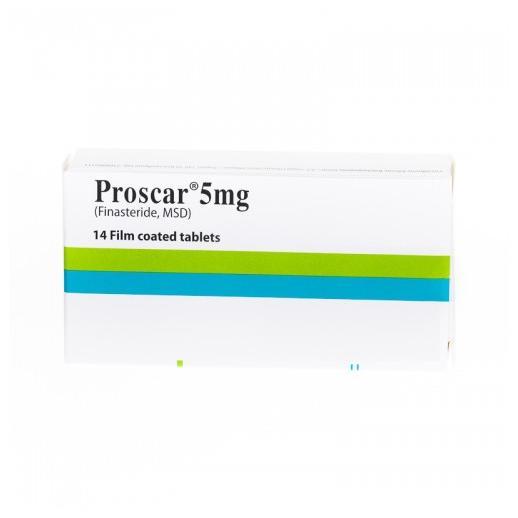
At iMedix, we cut through the hype to give you the real story about using Proscar for hair loss. This isn't your typical medical brochure - we're sharing what doctors know but often don't have time to explain.
The Secret Life of a Prostate Drug That Saves Hair
Here's something fascinating: Proscar was never originally meant for hair loss. Developed in the 1990s for prostate enlargement, researchers made an accidental discovery - patients were growing hair! Today, it's one of only two FDA-approved hair loss treatments (along with minoxidil).
How a 5mg Prostate Pill Became a Hair Savior
- 1992: FDA approves Proscar for prostate health
- 1997: Notice unexpected hair growth in patients
- 1997: Merck develops Propecia (1mg finasteride)
- Today: Doctors worldwide prescribe Proscar "off-label" for hair
The Science Behind the Magic
Your hair follicles are under attack by DHT (dihydrotestosterone), a hormone that:
- Shrinks hair follicles over time
- Shortens hair growth cycles
- Makes hair thinner with each growth phase
Proscar works like a molecular bodyguard, blocking the enzyme that creates DHT. The results?
| Time Using Proscar | What Happens to Your Hair |
|---|---|
| 1-3 months | Less hair falling out in shower |
| 3-6 months | Noticeable slowing of thinning |
| 6-12 months | Visible regrowth at crown (62% of men) |
| 2+ years | Maintained results (if you keep taking it) |
The Underground Trick Doctors Use (But Won't Advertise)
Here's an open secret in dermatology: Many doctors recommend splitting Proscar tablets because:
- Proscar 5mg costs about the same as Propecia 1mg
- Cutting into quarters gives you 1.25mg doses
- Saves you up to 80% compared to brand-name Propecia
Important note: Tablet splitting isn't officially approved - discuss with your doctor first.
7 Shocking Truths About Proscar for Hair
- It works better on the crown than the hairline
- Results disappear if you stop taking it (like a subscription service for your hair)
- Younger men respond better - early treatment is key
- Women shouldn't take it - can cause birth defects
- It doesn't work for everyone - about 30% see minimal results
- Combining with minoxidil gives better results than either alone
- Generic versions work equally well for fraction of the price
Real People, Real Results
The Good:
"After 8 months on quartered Proscar tablets, my bald spot completely filled in. I wish I started sooner." - Michael, 34
The Bad:
"I experienced side effects and had to stop. My hair loss returned to where it was before." - David, 41
The Unexpected:
"My beard got thicker too - an unadvertised bonus!" - Raj, 28
Is Proscar Right for You? The Honest Checklist
✅ Good candidate if:
- You have early-stage male pattern baldness
- You're committed to long-term use
- You understand potential side effects
❌ Think twice if:
- You expect overnight results
- You're not comfortable with possible sexual side effects
- Your hair loss is from stress or illness (not genetic)
The Future of Hair Loss Treatment
While Proscar remains the gold standard, new options are emerging:
- Topical finasteride (reduces systemic absorption)
- Low-level laser therapy
- Stem cell treatments (still experimental)
But for now, Proscar remains the most effective and affordable option for millions of men worldwide.
Stay informed, stay healthy!
— The iMedix Team

Post Your Ad Here