Rebuilding Lives After Brain Injury: Essential Services and Support Networks
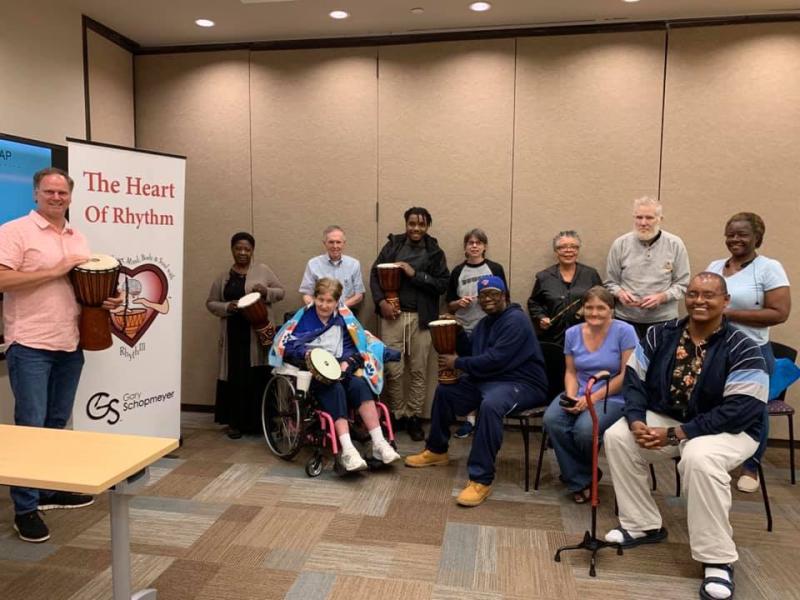
The following article contains information about the leading group that offers top-notch support services for brain injury survivors and caregivers.
A brain injury could be a challenge that involves even your physical well-being with your thoughts and feelings. From severe accidents in the case of violent trauma to illness from stroke, brain injury generally requires complex management so that the injured individual can regain self-sufficiency and quality of life. Supporting services help an injured person and their family move together toward healing.
Effects of Brain Injury on Individual People
There are two types of brain injury:
· TBI: This happens when an external force strikes the head or penetrates the brain;
· ABI: As the name indicates, it is an injury of the brain due to occurrences other than that of trauma; it includes strokes or some infections, as well as being deprived of oxygen supply to the brain.
Effects from brain injury vary according to their severity and the location of damage, though almost generally, the following challenges are presented by any form of brain injury:
· Losing memory or having cognitive inability
· Having problems in speech and dialogue
· Alteration in behavior and emotion
· Mobility problems
· Inability to perform any day-to-day activities.
Thus, looking at a broader perspective and with the different support and services available by the service brain injury community, many survivors can become informed on the proper care and resources that can assist in coping and healing from those long-lasting effects.
Essential Services in Brain Injury Support
1. Medical and Rehabilitation Services
Recovering usually requires special medical care and therapy. Primary rehabilitation services include:
· Physical Therapy: Helps restore range of motion and strength.
· Occupational Therapy: Aids in daily activities.
· Speech Therapy: Aids in the recovery of communication and cognitive skills.
· Neuropsychological Counseling: Focuses on emotional and behavioral issues arising from the injury.
2. Support Groups and Peer Networks
Interacting with one or more people who have suffered brain injuries can significantly help a patient. Support groups are the best settings for sharing feelings, promoting one another, and learning ways to deal with challenges.
Joining a Stroke Support Group in Northern Virginia benefits anyone affected by a stroke since it provides emotional support and recovery resources.
3. Family and Caregiver Support
Brain injuries affect not only the patient but also the family and caregivers thereof. Thus, support available for caregivers includes:
· Training and information on the care of persons who suffered a brain injury
· Respite care to relieve stress for caregivers
· Counseling and support for mental health
· Training on assistive technology and communication strategies
4. Community Integration Programs
Reintegration into the community after a brain injury becomes another skilled challenge, and the support looks at:
· Vocational training and assistance in obtaining employment
· Social and recreational programs
· Support in independent living
· Transportation and accessibility-related support
5. Financial Assistance and Advocacy
The medical bills and costs of rehabilitation can be daunting. Meanwhile, advocacy and financial assistance programs offer help with:
· Grants and financial assistance
· Insurance claim support and disability benefits-related advocacy
· Advocacy concerning brain injury policies and rights
The Importance of Veteran Brain Injury Support
Veteran brain injury assistance can do a lot for such veterans" rehabilitation and reintegration into civilian life.
The other avenue to support is to donate to Veterans in Northern Virginia, which supports programs for medical care, therapy, housing, and job training for injured veterans.
Finding The Right Support Services for Brain Injury
Support services will vary for each individual depending on the needs determined by the individual and the severity of the injury. Therefore, these steps need to be followed:
· Consult Your Medical Professional: Physicians and therapists should be consulted for referrals to rehab programs.
· Find Local Support Groups: Connecting with groups involved in the recovery from brain injury can provide valuable resources.
· Check Online: Numerous websites maintain lists of brain injury support services.
· Consider Legal and Financial Advice: Know the benefits and legal rights to obtain the support needed.
Ways to Participate and Strengthen Brain Injury Survivorship
Community involvement emerges as a keyword when considering the best avenues for support to brain injury patients. These are some of the voluntary contributions that can be made:
· Volunteer: Offer time and skills to support groups, rehabilitation centers, or advocacy organizations.
· Donate: Contributions help fund therapy, living, and community programs. Many options exist to Donate to Veterans in Northern Virginia who require brain injury support.
· Raise Awareness: Educating others about brain injuries and the services available can create a more friendly community.
· Advocate for Policy Changes: Support legislation and initiatives that improve access to brain injury resources.
Conclusion
Support for brain injury can be rehabilitation or peer support, travel costs for caregivers, or community programs. All these types of services are the means through which a brain injury survivor can again achieve independence and a good quality of life. Rehabilitation can indeed prove helpful both to veterans and civilians, and accessing the right resources in the process may prove to be the most critical aspect of their journeys to healing.
Donation, voluntary service, or simply raising awareness can indeed go a long way in touching the lives of thousands of these patients and their families. A Stroke Support Group Northern Virginia, as well as donating to veterans from northern Virginia, suffices for just a little effort toward making a stronger, more inclusive community for those suffering from brain injuries.
Post Your Ad Here
Comments