Subserosal, Intramural, and More: The Different Types of Fibroids
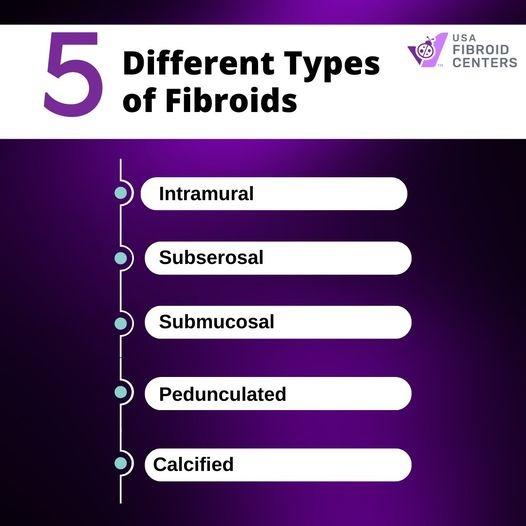
Uterine fibroids are common non-cancerous
growths that develop in the uterus. While they may not always cause symptoms,
fibroids can lead to discomfort, heavy periods, and fertility challenges for
some women. Understanding the different types
of fibroids can help in choosing the best treatment option.
What
Are Fibroids?
Fibroids, also known as leiomyomas, are
composed of muscle and connective tissue. They vary in size and location, which
determines their classification into four main types: subserosal, intramural,
submucosal, and pedunculated fibroids.
1.
Subserosal Fibroids
Subserosal
fibroids grow on the outer surface of the uterus. They may expand outward,
causing pressure on surrounding organs like the bladder or intestines. Women
with these fibroids often experience bloating, frequent urination, and pelvic
discomfort. Since they develop externally, they rarely interfere with
menstruation but can lead to pain and pressure.
Treatment for Subserosal Fibroids
Uterine Fibroid Embolization (UFE) – A
non-surgical procedure that blocks the blood supply to the fibroids, causing
them to shrink.
Myomectomy
– A surgical procedure to remove fibroids while preserving the uterus.
Hysterectomy – A permanent solution that
involves removing the uterus.
2.
Intramural Fibroids
Intramural fibroids are the most common types
of fibroids and grow within the muscular wall of the uterus. They can range in
size and may cause an enlarged uterus, leading to heavy menstrual bleeding,
pain, and reproductive issues.
Treatment for Intramural Fibroids
Medications – Hormonal treatments can help
regulate symptoms but do not eliminate fibroids.
UFE – Minimally invasive and effective for
reducing fibroid size.
Surgical Removal – Myomectomy or
hysterectomy, depending on the severity.
3.
Submucosal Fibroids
Submucosal fibroids develop just beneath the
uterine lining, making them more likely to cause excessive menstrual bleeding
and fertility complications. Women with submucosal fibroids often experience
prolonged periods, anemia, and difficulty getting pregnant.
Treatment for Submucosal Fibroids
Hysteroscopic Myomectomy – A minimally
invasive procedure that removes fibroids through the cervix without external
incisions.
UFE – Reduces fibroid size, helping with
bleeding and pain.
Endometrial Ablation – Destroys the uterine
lining to control heavy bleeding.
4.
Pedunculated Fibroids
Pedunculated fibroids are attached to the
uterus by a thin stalk. These fibroids can grow internally or externally and
may twist, causing severe pain and discomfort.
Treatment for Pedunculated
Fibroids
Laparoscopic or Hysteroscopic Myomectomy –
Removes the fibroid while preserving the uterus.
UFE – Helps shrink the fibroid and alleviate
symptoms.
Pain Management – Medications to manage
temporary discomfort.
Symptoms
of Fibroids
The symptoms vary depending on the type,
size, and location of the fibroids. Common symptoms include:
Heavy or prolonged menstrual bleeding
Pelvic pain or pressure
Frequent urination
Constipation
Back or leg pain
Fertility challenges
Risk
Factors for Fibroids
Certain factors can increase the risk of developing
fibroids, including:
Family history
Hormonal imbalances (estrogen and
progesterone)
Obesity
High blood pressure
Vitamin D deficiency
Diagnosis of Fibroids
Doctors use imaging tests such as ultrasound,
MRI, and hysteroscopy to diagnose fibroids and determine their type and
location.
Best
Treatment for Different Types of Fibroids
Choosing the right treatment depends on
factors such as symptom severity, fibroid location, and a woman’s future
pregnancy plans. Uterine Fibroid Embolization (UFE) is an effective,
non-surgical treatment that works for all types of fibroids, helping women
avoid invasive surgery.
Conclusion
Understanding the types of fibroids is essential for managing symptoms and choosing the best treatment. Whether through medication, minimally invasive procedures like UFE, or surgery, women have multiple options to regain their quality of life. Seeking professional care is crucial for effective fibroid management.
Post Your Ad Here
Comments