Maintenance and Troubleshooting Tips for 20kHz Ultrasonic Welding Machines
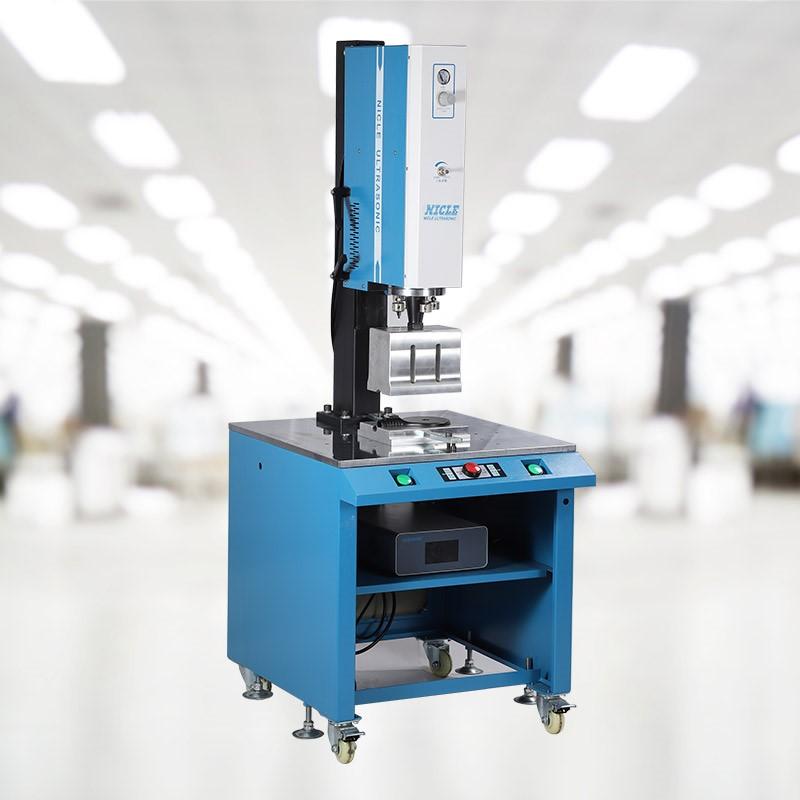
20kHz ultrasonic welding machines have
become integral to various industries due to their energy efficiency and
precision. Known for their ability to join materials with high-frequency
vibrations, these machines offer an advanced solution for tasks ranging from
plastic welding to metal bonding.
However, like all machinery, regular maintenance is key to their optimal performance. In this article, we'll look at effective maintenance strategies, common troubleshooting tips, and how 20kHz ultrasonic welding machines compare to traditional welding methods in terms of energy consumption and environmental impact.

Understanding 20kHz Ultrasonic Welding Machines
The 20kHz ultrasonic welding machine
operates by generating high-frequency vibrations that are transferred to the
material being welded, typically using a transducer and horn. The vibrations
cause the material to soften and fuse together under pressure, forming a
strong, clean weld.
This process is highly effective for
joining plastic components, making 20kHz ultrasonic plastic welding machines
popular across various industries.
One key benefit of these machines is
their efficiency. By focusing ultrasonic energy on a small area, the machine
minimizes energy waste and reduces heat generation, unlike traditional welding
techniques. This is especially important for sensitive materials that may warp
or degrade under excessive heat.
If you’re looking for a high-quality 20kHz ultrasonic welding machine, understanding the
right machine for your needs is crucial for maximizing performance. These
machines are engineered for precision and reliability, particularly when used
in sensitive industries such as medical or electronics manufacturing.
Benefits of 20kHz Ultrasonic Welding Machines
Energy Efficiency:
Compared to conventional welding methods, 20kHz ultrasonic welding machines
consume far less energy. Instead of heating large portions of the material,
they focus energy directly at the welding interface, which not only speeds up
the process but reduces the overall energy required.
Lower Environmental Impact:
Traditional welding methods often involve consumables such as gases, flux, or
filler metals. These materials add to the environmental footprint of
manufacturing processes. 20kHz ultrasonic welding machines, however, operate
with minimal consumables, making them a more sustainable choice.
Precision and Speed:
The 20kHz frequency provides the ideal balance of power and precision. This
makes 20kHz ultrasonic plastic welders particularly suitable for small to
medium-sized components, where tight tolerances are critical.
Reduced Heat Generation:
Because the ultrasonic vibrations are localized, the 20kHz ultrasonic welding
process generates far less heat compared to traditional methods. This
significantly reduces the risk of material distortion and allows for finer
control over the welding process.
If you're in need of a reliable
solution, the dizo plastic weld machine offers
excellent features tailored to improving welding performance while maintaining
energy efficiency.
Maintenance Tips for 20kHz Ultrasonic Welding Machines
Proper maintenance is essential for
ensuring the longevity and efficiency of your 20kHz ultrasonic welding machine.
Following these key maintenance tips will help you keep your machine running
smoothly and reduce the likelihood of breakdowns.
1. Inspect the Transducer and Booster
The transducer and booster are critical
components of any ultrasonic welding system. The transducer converts electrical
energy into mechanical vibrations, while the booster amplifies those
vibrations. Both parts are essential for ensuring that the 20kHz ultrasonic
welding machine performs at its peak.
Maintenance Tip:
Regularly inspect the transducer and booster for any signs of wear or damage.
Cracks, chips, or other visible defects can impair performance and reduce
welding efficiency.
- Signs
of damage: If the machine’s welds become inconsistent or weaker,
it may indicate an issue with the transducer or booster.
- How
to fix it: Replace damaged components as soon as possible.
Consult your machine's manual for proper maintenance and replacement
procedures.
2. Examine the Horn for Wear and Cracks
The horn (also known as the sonotrode)
is the part that transfers the ultrasonic vibrations directly to the material.
Over time, the repeated stress can cause the horn to wear down or develop
cracks, compromising the weld quality.
Maintenance Tip:
Inspect the horn regularly for any visible signs of damage or wear. A
well-maintained horn will ensure that your 20kHz ultrasonic plastic welding
machine operates effectively.
- How
to fix it: Replace the horn if you find any cracks or excessive
wear. In some cases, the horn can be resurfaced if it’s not too worn, but
this will depend on the damage.
3. Monitor the Amplitude and Frequency
The amplitude and frequency of the
ultrasonic vibrations play a crucial role in the quality of the weld. The 20kHz
ultrasonic welding machine is designed to work at a specific frequency, and any
fluctuation in amplitude or frequency can lead to poor results.
Maintenance Tip:
Regularly measure the amplitude and frequency of your machine using a
calibration tool. Many ultrasonic plastic welders come equipped with diagnostic
tools that can help monitor these settings.
- How
to fix it: If you notice any deviations in frequency or
amplitude, follow the calibration procedures outlined in the machine’s
manual. Calibration may require professional assistance, depending on the
complexity of the issue.
4. Clean the Machine Regularly
Dirt and debris can accumulate on the
machine's components, especially the horn and transducer. This contamination
can affect performance, leading to inefficient welding or premature component
wear.
Maintenance Tip:
Regularly clean all accessible parts, especially the horn, transducer, and
welding surface. Use a soft cloth and non-abrasive cleaning tools to avoid
damaging delicate components.
- How
to fix it: If any parts are contaminated, disassemble the machine
following the manufacturer’s instructions and clean all components
thoroughly.
5. Check the Cooling System
Ultrasonic welding machines generate
heat during operation, and a functional cooling system is necessary to prevent
overheating. An efficient cooling system ensures that the components remain at
the correct operating temperature and do not suffer from heat-related damage.
Maintenance Tip:
Regularly inspect the cooling system for any blockages or leaks. If you use a
water-cooled system, ensure that the water level is sufficient and that the
coolant fluid is clean.
- How
to fix it: If the cooling system is not functioning properly,
replace the coolant or repair any leaks. Ensure that the system is free
from obstructions.
6. Lubricate Moving Parts
Like any machine, ultrasonic welders
contain moving parts that require lubrication to minimize friction and wear.
Proper lubrication helps extend the life of the machine and ensures smooth
operation.
Maintenance Tip:
Lubricate moving parts as recommended by the manufacturer. However, avoid
over-lubricating, as excessive oil can lead to contamination of the workpieces.
- How
to fix it: Use the recommended lubricants and apply them
sparingly. Always clean excess lubricant from surfaces after application.
Troubleshooting Common 20kHz Ultrasonic Welding Machine Issues
Even with regular maintenance, you may
encounter some issues with your 20kHz ultrasonic welding machine. Here are some
common problems and potential solutions.
1. Weak or Poor Weld Strength
Weak welds may indicate a problem with
the ultrasonic energy delivery or the components responsible for generating the
vibrations.
- Possible
Causes: A malfunctioning transducer, damaged horn, or incorrect
amplitude settings.
- Fix:
Check the transducer and horn for any visible damage. Recalibrate the
amplitude settings and ensure that all components are functioning
correctly.
2. Machine Fails to Weld
If the machine doesn’t produce any welds,
it could be a sign that the ultrasonic energy is not reaching the material.
- Possible
Causes: Power supply issues, damaged components, or incorrect
machine settings.
- Fix:
Inspect the power supply, transducer, and booster for any issues. If
necessary, reset the machine or replace damaged parts.
3. Excessive Heat Generation
Excessive heat can result from poor
cooling or excessive load on the machine.
- Possible
Causes: Inefficient cooling system, overloading, or high ambient
temperatures.
- Fix:
Check the cooling system for blockages and replace the coolant if
necessary. Ensure that the machine is not overloaded beyond its capacity.
Energy Savings and Environmental Impact of 20kHz Ultrasonic Welding
Machines
One of the standout features of 20kHz
ultrasonic welding machines is their energy efficiency. These machines consume
significantly less power than traditional welding methods, such as resistance
or arc welding, which require large amounts of energy to heat and join
materials.
Energy Efficiency
Traditional welding methods often
involve heating an entire workpiece, which wastes energy. In contrast, 20kHz
ultrasonic plastic welding uses concentrated vibrations to heat only the
interface between the materials being joined. This process is more efficient
and reduces overall energy consumption.
Environmental Impact
In addition to saving energy, 20kHz
ultrasonic welding machines contribute to a smaller environmental footprint.
These machines do not require harmful consumables like gases or flux, and their
energy efficiency reduces CO2 emissions from manufacturing processes.
By minimizing waste and using less
energy, 20kHz ultrasonic welding offers a cleaner and more sustainable solution
for manufacturers.
Conclusion
20kHz ultrasonic welding machines are a
powerful tool in modern manufacturing, offering efficient, precise, and
environmentally friendly welding solutions. By following the maintenance tips
outlined in this article, you can ensure that your 20kHz ultrasonic welding
machine continues to perform at its best.
Regular checks on the transducer, horn,
and cooling system, as well as periodic recalibration, will help minimize
downtime and avoid costly repairs. Additionally, the energy savings and reduced
environmental impact make these machines a great choice for companies looking
to reduce both operational costs and their carbon footprint.

Post Your Ad Here
Comments