The Future of LPG Pricing: What to Expect in 2025 and Beyond
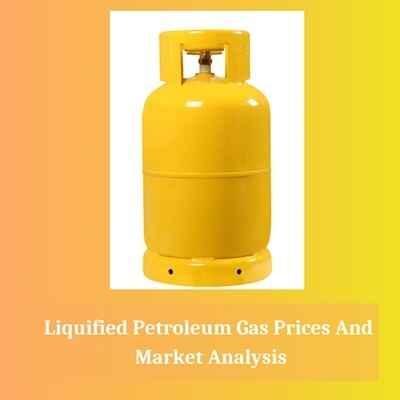
Liquefied Petroleum Gas (LPG) has been an essential source of energy for millions of households and industries across the world. Known for its versatility and clean-burning properties, LPG continues to gain popularity as an alternative to traditional fuels like coal and firewood. As we approach 2025, various factors are set to influence LPG prices, making it essential to understand these dynamics. In this article, we’ll take a closer look at the future of LPG pricing, what affects these costs, and what consumers and businesses can expect in the coming years.
LPG’s Role in the Global Energy Mix
LPG is derived from both natural gas processing and crude oil refining. It is widely used in residential heating and cooking, especially in regions that lack access to natural gas pipelines. Additionally, it’s also a significant energy source in industries that require high-temperature heating and certain transportation sectors. The demand for LPG is expected to increase globally, driven by population growth, industrialization, and the desire for cleaner, more efficient fuels.
As LPG continues to be a staple in energy consumption, the pricing of this fuel becomes an essential concern for both consumers and industries that rely on it. In 2025, several key factors will shape the trends and fluctuations in LPG prices.
What Influences LPG Prices?
1. Global Demand and Consumption Patterns
The demand for LPG is closely linked to global population growth and urbanization. Countries in Asia, Africa, and Latin America are experiencing rapid industrialization and urban expansion. As more people in these regions move to urban areas, the need for cleaner and more reliable energy sources increases. LPG, with its easy storage and transportability, is becoming the go-to option for many households and businesses.
Rising demand in developing economies is expected to be one of the most significant factors affecting LPG prices in 2025. As more countries shift away from traditional biomass fuels, the demand for LPG will continue to rise. The higher the demand, the more likely it is for prices to experience upward pressure.
2. The Link Between Oil and LPG Prices
LPG is a byproduct of crude oil and natural gas. This close connection means that LPG prices are heavily influenced by fluctuations in crude oil prices. If crude oil prices rise, the cost of producing LPG also increases, which can lead to higher consumer prices. Conversely, if oil prices fall, LPG prices tend to follow suit.
In 2025, crude oil prices will remain volatile due to various geopolitical and market factors. Natural disasters, political tensions, and changes in oil production agreements (such as those made by OPEC) will all play a role in influencing the cost of crude oil, and consequently, the cost of LPG.
3. Geopolitical Events and Market Disruptions
LPG is traded globally, and many of the world's major LPG producers are located in regions that are prone to political and economic instability. Key producing countries like the United States, Saudi Arabia, Russia, and the Middle East remain vulnerable to disruptions caused by political tensions or conflicts.
Any instability in these regions—whether through trade wars, sanctions, or military conflicts—can lead to supply chain disruptions, which can, in turn, cause spikes in LPG prices. These geopolitical risks make the LPG market unpredictable, and 2025 could witness several price fluctuations depending on the political climate.
4. Environmental Regulations and Policies
Environmental regulations and government policies will play an increasingly important role in shaping LPG prices. Governments worldwide are focused on reducing carbon emissions and increasing the use of cleaner energy sources. While LPG is a cleaner alternative to coal, biomass, and other fossil fuels, it still contributes to greenhouse gas emissions.
As countries introduce stricter environmental regulations to meet climate targets, they may impose taxes or levies on fossil fuels, including LPG. This could increase production costs and, consequently, the price of LPG. However, the push toward cleaner energy could also result in increased subsidies for LPG in certain markets, which may help to stabilize prices.
5. Technological Innovations in LPG Production and Storage
Technological advances in LPG production and storage could have a significant impact on prices in 2025. Improved liquefaction technologies could lower the cost of converting natural gas and oil into liquefied gas, reducing production costs. Additionally, better storage solutions may lower the cost of distributing LPG to global markets.
Moreover, developments in digital technologies, such as predictive analytics and supply chain management systems, could lead to more efficient LPG production and distribution. These efficiencies may help to counterbalance price increases driven by supply and demand.
6. Transportation and Delivery Costs
Since LPG must be transported in liquid form, the cost of transportation plays a significant role in its final price. The distance between the production site and the market, as well as fuel and shipping costs, will continue to influence LPG prices. The greater the distance that LPG has to be transported, the more expensive it becomes due to the associated logistical costs.
Additionally, changes in global trade patterns, shipping routes, or port access can affect transportation costs, leading to price fluctuations. Any disruption in the global shipping industry, such as fuel price increases or labor shortages, could directly impact LPG prices.
What Can We Expect from LPG Prices in 2025?
While it’s difficult to predict the exact price of LPG in 2025, we can expect some general trends to emerge. These are likely to include:
Higher Demand from Developing Countries: As demand for LPG increases in emerging economies, prices may rise in response to global consumption trends.
Crude Oil Price Volatility: Since LPG is closely tied to oil prices, fluctuations in the price of crude oil will continue to impact LPG pricing.
Geopolitical Uncertainty: Geopolitical risks will remain a key factor in determining LPG prices. Any instability in oil-producing regions could lead to price spikes.
Environmental Policies: Increasing regulations aimed at reducing carbon emissions could raise production costs, impacting LPG prices.
Technological Innovations: New technologies that improve production and transportation efficiency could help stabilize prices.
How to Prepare for LPG Price Changes in 2025?
For consumers, businesses, and policymakers, staying informed about these key trends will be critical to managing LPG costs effectively. Those who rely on LPG as their primary energy source can consider alternatives or adjust consumption patterns to mitigate potential price increases. Businesses, particularly in industries with high energy needs, may explore longer-term contracts or other pricing arrangements to protect themselves from price volatility.
Governments can play an important role by balancing the need for environmental policies with ensuring that LPG remains affordable for consumers. Investment in new technologies to improve LPG production and distribution may also help to keep prices in check.
LPG pricing in 2025 will be shaped by a complex web of factors, including demand from emerging economies, fluctuations in crude oil prices, geopolitical events, environmental regulations, and technological advances. While price volatility is inevitable, staying informed about these influences will help consumers and businesses prepare for changes in the market.
By understanding these trends, we can navigate the LPG pricing landscape more effectively, ensuring that we can continue to access this vital energy source at an affordable price.
Stay informed with Price-Watch. For more insights, in-depth analysis, and the latest updates on global commodities, visit our website. Explore how our data-driven intelligence can help you make smarter decisions and stay ahead of the market.

Post Your Ad Here
Comments