Stay informed with PriceWatch. For more insights, in-depth analysis, and the latest updates on global commodities, visit our website. Explore how our data-driven intelligence can help you make smarter decisions and stay ahead of the market.
LNG Pricing Outlook for 2025: What You Need to Know
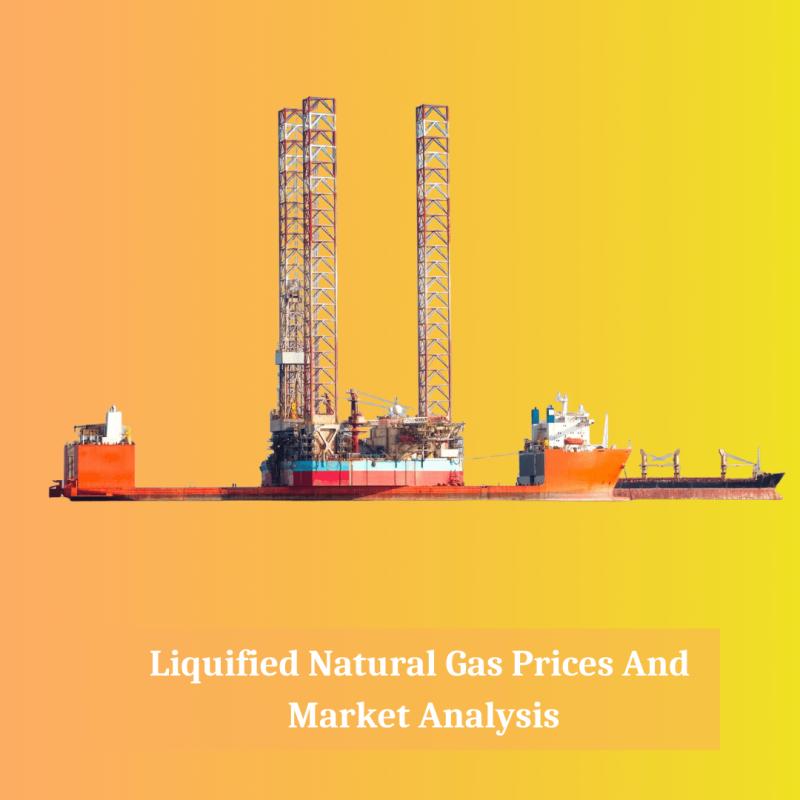
In 2025, Liquefied Natural Gas (LNG) continues to be a focal point in the global energy market. With its rising importance as a cleaner energy source, LNG pricing is an essential consideration for many countries, businesses, and consumers. This article will walk you through what factors are expected to influence LNG prices in 2025 and what trends we can anticipate in the market.
Understanding the Basics of LNG Pricing
LNG is natural gas that is cooled to a liquid state, allowing it to be transported more easily over long distances. The pricing of LNG is influenced by a variety of elements, including global demand, supply availability, transportation logistics, and regional market conditions. For many years, LNG prices have been tied closely to the prices of crude oil. However, with increasing market complexity, LNG is gradually evolving into a more flexible and dynamic pricing system, particularly with a shift away from oil-linked contracts.
Book a Demo for a real-time, data-driven insights: https://www.price-watch.ai/book-a-demo/
Key Factors Shaping LNG Pricing in 2025
The LNG market in 2025 is expected to be shaped by a range of factors, from growing demand to political instability. Let’s explore the key aspects that will influence LNG pricing.
1. Increased Global Demand for LNG
One of the primary drivers of LNG pricing in 2025 will be the continued rise in global demand. As nations, especially in Asia, continue to move away from coal and other carbon-heavy fuels, LNG is increasingly being seen as a more environmentally-friendly option. China, India, and other emerging economies are expected to continue ramping up their use of LNG, leading to heightened competition for supplies. This growing demand could drive prices up, especially during periods of tight supply.
2. Supply and Production Dynamics
LNG prices are also closely linked to the supply side of the equation. The world’s largest producers of LNG—such as the United States, Qatar, and Australia—will have a significant impact on pricing. If production increases, the market will likely experience price stability, whereas any delays in projects or supply chain issues could lead to price hikes.
The expansion of LNG production facilities, like new plants in the United States, will help meet rising demand. However, any disruptions in production or unexpected maintenance issues could trigger price spikes in the short term.
3. Geopolitical Events
Geopolitical tensions continue to play a significant role in the LNG market. Conflicts in key gas-producing regions, such as the Middle East or Eastern Europe, can result in the disruption of LNG flows, affecting prices globally. In addition, trade policies and sanctions imposed by governments may also affect LNG exports, contributing to volatility in the market.
4. Energy Transition and Environmental Policies
As governments commit to more stringent carbon emission reduction targets, the demand for cleaner energy sources will rise. LNG, which burns cleaner than coal or oil, will continue to serve as a bridge fuel in the transition toward renewable energy. However, environmental regulations—such as stricter emissions standards and carbon taxes—may increase the cost of producing and transporting LNG, which could lead to higher prices in the future.
LNG will remain a key player in this energy transition, especially in regions where renewable energy infrastructure is still developing or unavailable. While renewables like wind and solar are growing rapidly, LNG is often relied upon as a dependable backup.
5. Technological Advancements and Infrastructure Developments
Advancements in LNG liquefaction and transportation technology could have a direct impact on pricing in 2025. New methods of producing LNG more efficiently or transporting it at lower costs could help reduce overall market prices. Additionally, the expansion of global LNG infrastructure, such as new liquefaction terminals and regasification facilities, can help stabilize prices by improving supply and distribution networks.
Countries that invest in LNG infrastructure will likely see lower costs in comparison to nations that depend on imports without a well-developed supply chain.
LNG Pricing Expectations for 2025
Given the variety of factors at play, it is likely that LNG prices in 2025 will experience moderate to high fluctuations. Increased demand from developing economies, particularly in Asia, combined with possible supply challenges, is expected to put upward pressure on prices. However, the impact of technological improvements and infrastructure expansion may provide some relief, helping to keep price hikes under control.
Geopolitical tensions and changes in environmental regulations could also lead to sudden price spikes or volatility. That said, LNG will continue to be a critical part of the global energy mix, and its price will reflect the evolving dynamics of supply and demand.
LNG pricing in 2025 will be shaped by a combination of supply and demand factors, geopolitical uncertainties, technological advances, and environmental regulations. As demand for cleaner energy rises, LNG will play a key role in the global transition toward sustainability, even as challenges such as production disruptions and geopolitical instability continue to affect pricing.
Whether you're a business or a consumer, understanding these trends will be vital in navigating the complex and ever-changing LNG market. By keeping an eye on these key factors, you’ll be better equipped to anticipate how LNG pricing will evolve in 2025 and beyond.
Advertise on APSense
This advertising space is available.
Post Your Ad Here
Post Your Ad Here
Comments