Vibramycin Antibiotic: How It Works and What to Expect
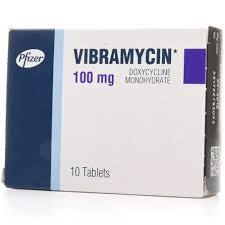
Antibiotics have revolutionized modern medicine by making bacterial infections treatable. Among the most commonly prescribed is Vibramycin, an antibiotic that belongs to the tetracycline class. Known for its versatility, Vibramycin treats a wide range of infections, making it a staple in many healthcare providers' toolkits. Despite its widespread use, many people are unaware of how it works, how to take it properly, and what to expect during treatment. This article offers a detailed look at Vibramycin’s mechanism of action, its uses, and practical advice for patients—without focusing on side effects, which will be covered in a separate article.
What Is Vibramycin and Why Is It Prescribed?
Vibramycin, containing the active ingredient doxycycline, is widely used to treat various bacterial infections due to its broad-spectrum properties. Healthcare providers often recommend Vibramycin for the following conditions:
- Respiratory infections like pneumonia and bronchitis
- Skin conditions such as acne and rosacea
- Sexually transmitted infections (STIs), including chlamydia and gonorrhea
- Tick-borne illnesses like Lyme disease and Rocky Mountain spotted fever
- Malaria prevention for travelers visiting high-risk regions
- Certain urinary tract and dental infections
- Specific eye infections and periodontal diseases
Vibramycin’s broad application stems from its ability to inhibit bacterial growth and control infections across various organ systems.
How Does Vibramycin Work in the Body?
Vibramycin targets bacterial protein synthesis. It binds to the bacterial ribosome, preventing the production of essential proteins required for growth and replication. Without these proteins, bacteria are unable to multiply, allowing the immune system to clear the infection.
As a bacteriostatic antibiotic, Vibramycin halts bacterial growth rather than directly killing bacteria. This distinction is crucial for certain infections, where slowing bacterial replication allows the body to recover without excessive immune activation.
Upon ingestion, Vibramycin is absorbed through the gastrointestinal tract and reaches therapeutic levels throughout the body, including in hard-to-reach tissues such as the lungs and sinuses. Its long half-life enables convenient dosing schedules, often requiring only once or twice daily administration.
Proper Use and Dosage Guidelines
To ensure Vibramycin is effective, follow these usage recommendations:
- Take the medication at the same time each day to maintain steady blood levels.
- Swallow the tablet with a full glass of water to prevent esophageal irritation.
- Avoid lying down for at least 30 minutes after taking it.
- While Vibramycin can be taken with a small snack to ease stomach discomfort, dairy products should be avoided around dosing times as calcium can interfere with absorption.
- If you miss a dose, take it as soon as possible unless it’s close to your next scheduled dose. Never double up.
- Store the medication at room temperature, away from moisture and direct sunlight.
Important Considerations and Practical Tips
Taking Vibramycin Antibiotic properly isn’t just about following dosage instructions. Here are some practical tips to optimize your treatment experience:
- Use reminders or alarms to avoid missing doses, as consistency is key to the medication’s effectiveness.
- If you’re traveling, plan ahead to ensure you have enough medication and understand any local regulations regarding prescription medications.
- Inform your healthcare provider of any supplements or over-the-counter products you use, as certain vitamins and minerals can affect Vibramycin’s absorption.
- Be aware that Vibramycin is sensitive to timing, especially when taken in combination with antacids or iron supplements—separate doses by several hours to maintain effectiveness.
- Communicate with your healthcare provider about any new or ongoing symptoms during treatment to monitor effectiveness.
Vibramycin’s Role in Global Health and Travel Medicine
Beyond its use in routine infections, Vibramycin plays a pivotal role in global health. It is frequently recommended by travel medicine specialists for:
- Malaria prophylaxis when visiting endemic regions.
- Preventing leptospirosis for travelers engaged in outdoor water activities in high-risk areas.
- Managing certain gastrointestinal bacterial infections encountered during international travel.
- Addressing exposure to tick-borne diseases during hikes or camping trips in affected regions.
The medication’s accessibility, affordability, and proven efficacy make it a vital tool in travel and preventive medicine.
Frequently Asked Question
Q: How long does Vibramycin take to start working on bacterial infections?
A: Most patients begin noticing improvements within 48 to 72 hours of starting Vibramycin, depending on the severity of the infection and the body’s immune response. However, some conditions may require a longer period for noticeable improvement. It’s important to complete the prescribed course even if symptoms improve early to prevent recurrence or bacterial resistance.
Final Thoughts
Vibramycin remains an essential antibiotic for treating a wide range of bacterial infections. Its versatility, convenient dosing, and proven effectiveness make it a preferred choice in various medical scenarios, including travel medicine and chronic bacterial infections. However, the key to successful treatment lies in proper usage, adherence to prescribed instructions, and open communication with your healthcare provider.
Always consult your healthcare provider for personalized guidance and to address any concerns you have during your treatment journey. Responsible antibiotic use helps ensure that medications like Vibramycin remain effective for years to come.
Post Your Ad Here
Comments