Are Fibroids Cancerous? Understanding the Truth About Uterine Fibroids
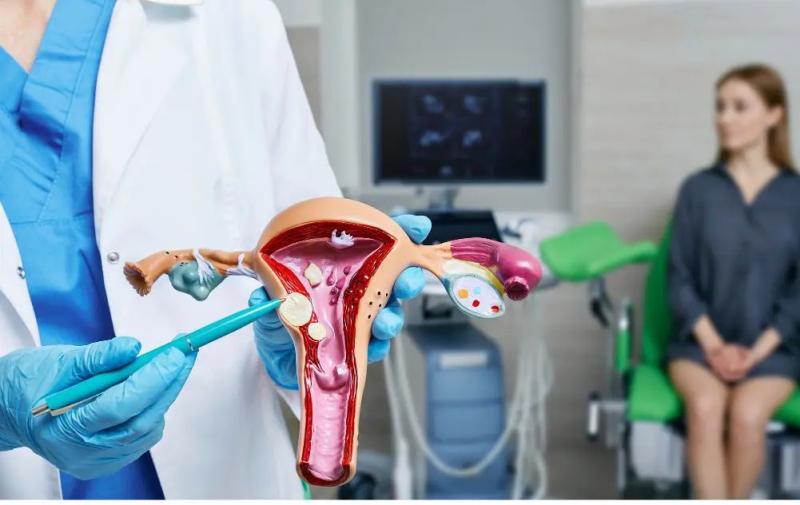
Uterine fibroids are a common concern among women, often causing discomfort, heavy periods, and bloating. However, many women also worry about a more serious question: Are fibroids cancerous? This concern is understandable, as fibroids can cause symptoms that may seem alarming. In this article, we’ll explore the nature of fibroids, whether they have a risk of turning cancerous, symptoms to watch for, and the best treatment options available.
What Are Uterine Fibroids?
Uterine fibroids, also known as leiomyoma’s or myomas, are non-cancerous growths that develop in or around the uterus. They are made up of muscle and fibrous tissue and can vary in size, from as small as a seed to as large as a grapefruit. Fibroids are extremely common, affecting up to 80% of women by the age of 50.
Are Fibroids Cancerous?
The good news is that fibroids are almost always benign (non-cancerous). The chances of a fibroid being cancerous are very low, with studies estimating that less than 1 in 1,000 fibroids are malignant. The rare cancerous form of fibroids is called leiomyosarcoma, a type of uterine cancer that develops from the muscle tissue of the uterus. However, there is no clear evidence that benign fibroids turn into cancer over time.
What Is Leiomyosarcoma?
Leiomyosarcoma is a rare but aggressive cancer that originates in the smooth muscle of the uterus. Unlike fibroids, which grow slowly and often remain stable for years, leiomyosarcoma tends to grow quickly and spread to other parts of the body. Doctors emphasize that having fibroids does not increase the risk of developing leiomyosarcoma.
How Can You Tell If a Fibroid Is Cancerous?
Because leiomyosarcoma is rare, most fibroids do not require testing for cancer. However, certain warning signs may prompt further evaluation:
Rapid fibroid growth
– If a fibroid grows suddenly or significantly in a short period, a doctor may
recommend additional tests.
Severe pain and pressure
– Although fibroids can cause discomfort, sudden or extreme pain may indicate
another condition.
Unusual bleeding
– Heavy menstrual bleeding is common with fibroids, but irregular bleeding
outside of your cycle should be checked.
Postmenopausal bleeding – Any bleeding after menopause should be evaluated immediately.
How Are Fibroids Diagnosed?
Doctors use several methods to diagnose and assess fibroids:
Pelvic Exam – A doctor
may feel for abnormal growths during a routine pelvic exam.
Ultrasound – This
imaging test helps visualize the size and location of fibroids.
MRI (Magnetic Resonance Imaging) – Provides a more detailed view of fibroids and helps rule out
other conditions.
Hysteroscopy – A thin, lighted tube is inserted into the uterus to examine its
lining.
Biopsy – In rare cases, if cancer is suspected, a small tissue sample may be taken for testing.
Who Is at Risk for Fibroids?
Certain factors increase the risk of developing fibroids, including:
Age – Most common
in women aged 30 to 50.
Family History – If your
mother or sister had fibroids, your risk is higher.
Hormonal Changes
– Estrogen and progesterone levels influence fibroid growth.
Obesity – Being
overweight increases the risk of fibroids.
Ethnicity – African
American women are more likely to develop fibroids and experience severe
symptoms.
Treatment Options for Fibroids
Since fibroids are almost always non-cancerous, treatment focuses on symptom management rather than removal.
Watchful Waiting
If fibroids are small and not causing symptoms, a wait-and-see approach is often recommended. Regular check-ups can help monitor their growth.
Medications
Hormonal Therapy
– Birth control pills, IUDs, or hormone injections can help regulate periods
and reduce fibroid symptoms.
Gonadotropin-releasing hormone (GnRH) Agonists – These medications shrink fibroids temporarily but are not a long-term solution.
Non-Surgical Treatment – Uterine Fibroid Embolization (UFE)
For women who
want relief without surgery, Uterine Fibroid Embolization (UFE) is a safe and
effective option.
Minimally invasive – No major surgery or hospital
stay.
Shrinks
fibroids by blocking blood flow.
Preserves the
uterus, making it a great alternative to a hysterectomy.
Quick recovery – Most women return to normal activities within a week.
Surgical Treatments
Myomectomy – Surgically
removes fibroids while keeping the uterus intact.
Hysterectomy – The
complete removal of the uterus, typically recommended only for severe cases.
When to See a Doctor
If you
experience any of the following, you should consult a doctor immediately:
Heavy or
prolonged periods that impact daily life
Severe pelvic
pain or pressure
Rapidly
growing fibroids
Unexplained
weight loss or fatigue
Bleeding after menopause
So, are fibroids cancerous? The answer is almost always no. Uterine fibroids are benign growths that rarely become cancerous. However, it’s essential to monitor any unusual symptoms and seek medical advice when necessary.
If you’re
struggling with fibroid symptoms, USA Fibroid Centers offers safe and
non-surgical treatments like UFE to help you find relief. Learn more and book a
consultation today at USA Fibroid Centers.
Post Your Ad Here
Comments