Designing the Perfect Concrete Swimming Pool for Your Space
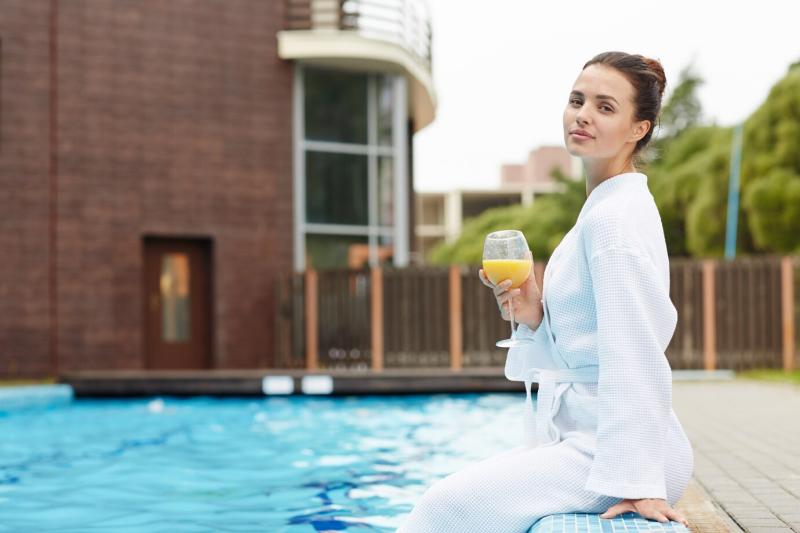

When it comes to designing a concrete swimming pool, the key is to create a pool that complements your space, meets your needs, and enhances your backyard. Concrete pools are known for their durability, versatility, and customization options, making them ideal for homeowners who want a pool that is as unique as their home. However, the design process can be overwhelming if you’re not sure where to start. To help, we’ve outlined some essential considerations and tips for designing the perfect concrete swimming pool for your space.
1. Assess Your Space and Layout
The first step in designing your ideal concrete pool is to assess your available space. Every backyard has unique characteristics, and the layout of your pool should work with those features. For example, if you have a large, sprawling backyard, you might want to opt for a larger pool with plenty of space for lounging areas, outdoor kitchens, or garden features. On the other hand, if your yard is smaller or more compact, you may prefer a more intimate pool design, such as a plunge pool or a lap pool.
When considering your space, also think about accessibility. Is there enough room for a pool deck or patio around the pool? Do you want to integrate features like landscaping, seating areas, or water features into the design? Understanding the available area will help you choose a pool shape, size, and layout that fits seamlessly into your surroundings.
2. Choose the Right Shape and Size
One of the most significant benefits of a concrete swimming pool is its flexibility in shape and size. Unlike prefabricated pools, concrete pools can be built in any shape, from traditional rectangular pools to more organic, freeform designs. The shape of your pool should be influenced by your personal taste, the layout of your yard, and the overall aesthetic you want to achieve.
For a classic look, you might consider a rectangular or oval pool. These shapes are timeless and work well in a variety of spaces. For a more natural, resort-like feel, a freeform or kidney-shaped pool may be more appropriate, especially if you want the pool to blend with landscaping elements such as rocks, plants, and waterfalls.
Additionally, consider the size of your pool in relation to your yard. While it’s tempting to go big, it’s essential to ensure the pool’s size complements the overall space and doesn’t overwhelm it. A large pool can work well in a spacious yard, but in a smaller space, a compact pool may be more functional and visually appealing.
3. Consider Functionality and Lifestyle Needs

Your lifestyle and how you intend to use the pool should be at the forefront of your design choices. If you're an avid swimmer, a lap pool or an elongated design might be the best option, providing ample space for swimming laps or doing water exercises. For families with children, you might prioritize safety features, such as shallow areas or a shallow entry with gradual steps.
Additionally, think about the types of activities you want to enjoy in your pool. If you love to entertain, incorporating a swim-up bar or seating areas around the pool can make socializing more convenient. If relaxation is your top priority, consider adding a spa or a tanning ledge, where you can lounge and enjoy the water without fully submerging yourself.
Other features to consider include a shallow wading area for young children, a deep end for diving, or a spa integrated into the pool for relaxation. These elements can help cater to various activities and ensure your pool serves your specific needs.
4. Incorporate Unique Features and Focal Points
To make your concrete pool truly stand out, consider adding unique features that enhance its visual appeal and functionality. Creative design elements can turn your pool from an ordinary swimming area into a stunning backyard retreat.
Waterfalls and Spillways: Adding a waterfall or spillway can create a natural, serene vibe, while also serving as a focal point. Whether you prefer a rock waterfall for a more rustic look or a sleek, modern spillway, this feature adds both sound and motion to the pool.
Infinity Edge: If your property has a scenic view, an infinity edge or vanishing edge pool is a fantastic design element. This feature makes the pool appear as though it blends seamlessly with the horizon, creating a visually stunning effect, especially with a dramatic view.
Lighting and Ambience: Strategic pool lighting can dramatically enhance the atmosphere, especially during the evening hours. From LED lights in the pool to integrated lighting around the pool deck, lighting not only adds safety but also creates a captivating ambiance. You can opt for color-changing lights for a vibrant pool party effect or softer lighting for a more relaxed, elegant mood.
Landscaping Features: Don’t forget the landscaping around your pool. You can integrate lush greenery, tropical plants, or decorative rocks to make the pool feel more natural and part of the landscape. Adding planters, palm trees, or flowering plants can create a resort-style atmosphere, while stone features or garden beds can provide a more rustic or contemporary look.
5. Select Pool Finishes and Materials
The materials you choose for your concrete pool finish will significantly impact its aesthetic and texture. Concrete pools offer various options for finishes, each with a unique look and feel. Some popular options include:
Plaster: The most traditional finish for concrete pools, plaster provides a smooth, glossy surface. It’s available in a range of colors, including white, blue, and gray, giving you flexibility in design.
Pebble: Pebble finishes are highly durable and provide a textured surface. They come in a variety of colors and offer a more natural, resort-style look.
Tile: For a more elegant or intricate design, tile finishes allow for detailed patterns and mosaics. This option works well for custom designs, especially when paired with unique patterns or accents.
Choosing the right finish also impacts the feel of the water and the level of maintenance required. For example, pebble finishes are more slip-resistant and require less maintenance, while plaster may need periodic resurfacing.
6. Consider Pool Equipment and Energy Efficiency

When designing your concrete pool, think beyond the aesthetics and consider the functionality of your pool’s equipment. Modern pool pumps, filters, and heaters come in energy-efficient models, which can help reduce long-term operating costs. For example, variable-speed pumps consume less energy and are quieter than traditional pumps, while solar pool heaters are an eco-friendly option for maintaining water temperature.
Additionally, automated systems can make managing your pool easier. Pool automation allows you to control lights, temperature, and even cleaning systems from your smartphone, making pool maintenance and operation more convenient and efficient.
Conclusion
Designing the perfect concrete swimming pool for your space is about balancing aesthetics, functionality, and your lifestyle needs. From selecting the right shape and size to integrating unique features like waterfalls, lighting, and landscaping, the options are limitless. By taking into account your available space, desired features, and the overall feel you want to create, you can design a pool that transforms your backyard into a luxurious retreat that suits both your taste and your daily life. Whether you're after a serene oasis or an entertainment hub, a custom-designed concrete swimming pool can become the heart of your outdoor space for years to come.


Post Your Ad Here
Comments