Can UFE Fibroids Treatment Shrink Large Fibroids Effectively
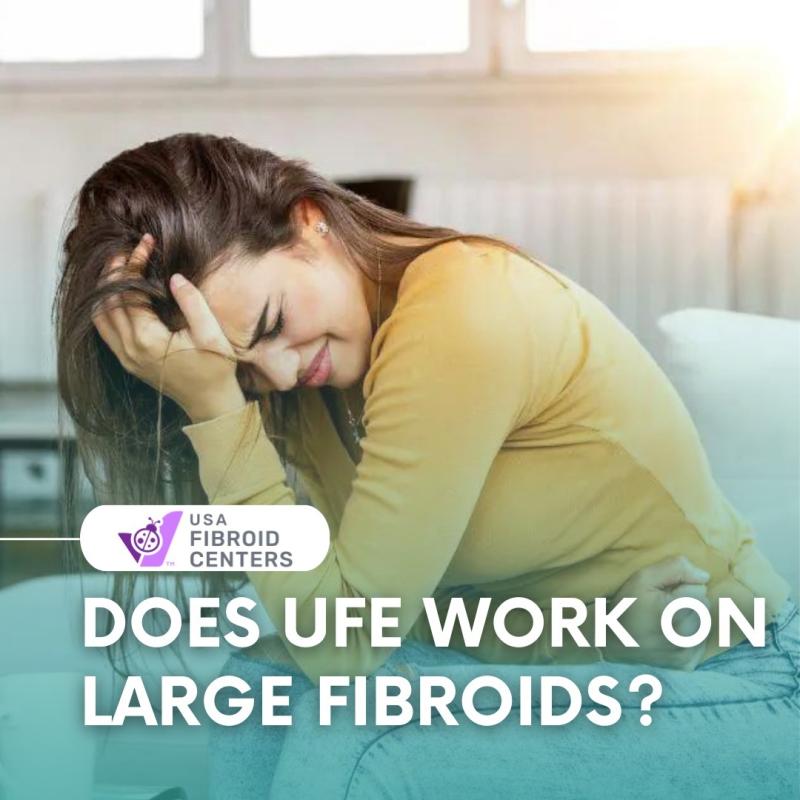
Uterine
fibroids are a common health concern for many women, affecting up to 80% of
women by the age of 50. While some fibroids are small and asymptomatic, others
can grow large, causing severe symptoms like heavy menstrual bleeding, pelvic
pain, and pressure on surrounding organs. For women with large fibroids,
finding an effective treatment is crucial. One minimally invasive option that
has gained popularity is Uterine
Fibroid Embolization (UFE). But does UFE work on large fibroids? Let’s
explore this question in detail.
What is UFE?
Uterine
Fibroid Embolization (UFE) is a non-surgical procedure that blocks the blood
supply to fibroids, causing them to shrink and die. During the procedure, an
interventional radiologist inserts a catheter into the uterine arteries and
releases tiny particles to cut off the blood flow to the fibroids. UFE is known
for its quick recovery time, minimal scarring, and high success rate in
alleviating fibroid symptoms.
Can UFE Treat Large Fibroids?
The
effectiveness of UFE on large fibroids depends on several factors, including
the size, number, and location of the fibroids. Studies have shown that UFE can
successfully treat large fibroids, often reducing their size by 40-60% within
three to six months. However, the procedure may be more challenging for
extremely large fibroids (those larger than 10 cm) or those with complex
positioning.
Key Benefits of UFE for Large Fibroids:
Non-Surgical
Approach: Unlike hysterectomy or myomectomy, UFE does not require incisions or
removal of the uterus.
Preserves Fertility:
While UFE is not typically recommended for women planning pregnancy, it
preserves the uterus, offering future fertility options.
Symptom Relief: UFE
effectively reduces symptoms like heavy bleeding, pelvic pain, and bladder
pressure.
Quick Recovery: Most women
return to normal activities within 7-10 days.
How Does UFE Compare to Other Treatments for Large Fibroids?
For large
fibroids, treatment options include:
Hysterectomy: Surgical
removal of the uterus, which is definitive but irreversible.
Myomectomy: Surgical removal of fibroids while preserving the uterus, often
recommended for women planning pregnancy.
MRI-Guided Focused Ultrasound: A non-invasive procedure that uses ultrasound waves to destroy
fibroids.
UFE stands
out as a middle ground—less invasive than surgery but highly effective for
symptom relief. It is particularly beneficial for women who want to avoid
surgery or are not candidates for other procedures.
What to Expect During and After UFE
During the Procedure:
UFE is
performed under local anesthesia and takes about 1-2 hours.
Patients may
experience mild discomfort or cramping during the procedure.
After the Procedure:
Most women
experience cramping and fatigue for a few days.
Symptoms like
heavy bleeding and pain typically improve within a few weeks.
Follow-up
imaging (ultrasound or MRI) is done to monitor fibroid shrinkage.
Is UFE Right for You?
If you have
large fibroids and are considering UFE, consult with a specialist to determine
if you are a good candidate. Factors like fibroid size, location, and your
overall health will influence the decision.
Conclusion
UFE
fibroids treatment is a highly effective option for women with large
fibroids, offering significant symptom relief and a quicker recovery compared
to surgery. While it may not be suitable for everyone, UFE has helped countless
women regain their quality of life without undergoing invasive procedures. If
you’re struggling with large fibroids, UFE could be the solution you’ve been searching
for.
Post Your Ad Here
Comments