The Language of Jewels: Decoding Modern and Traditional Styles (2025)
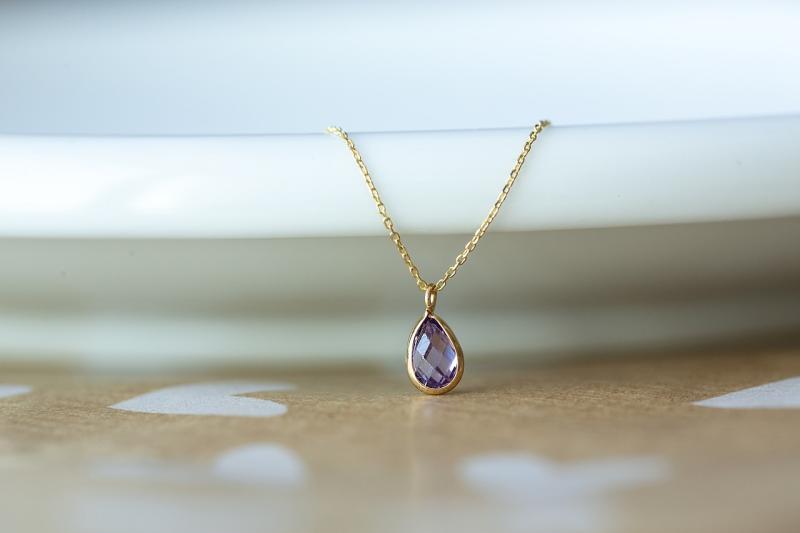
Jewellery. More than just adornment, it's a language spoken through shimmering stones, intricate designs, and the very way it's worn. From the delicate whisper of a minimalist necklace to the bold declaration of a traditional Kundan set, jewellery communicates stories, reflects cultural heritage, and expresses personal style. Understanding this "language of jewels" allows us to decode the nuances of modern and traditional styles, appreciate their unique beauty, and curate a collection that speaks volumes about who we are.
Traditional Jewellery: Echoes of the Past:
Traditional jewellery carries within it the weight of history, culture, and craftsmanship passed down through generations. Each piece is a testament to the artistry of skilled artisans and embodies the rich heritage of its origins.
- Kundan: Originating in India, Kundan jewellery features intricately set gemstones, often uncut diamonds (Polki), in a gold foil base. Known for its opulent designs and vibrant colours, Kundan is a symbol of royalty and is often worn for weddings and other special occasions.
- Polki: Polki jewellery showcases uncut diamonds with their natural imperfections, set in gold. This style celebrates the raw beauty of the stones and offers a more understated elegance compared to Kundan.
- Jadau: Jadau work involves embedding precious stones like rubies, emeralds, and sapphires into gold. This intricate technique creates stunning pieces with a rich and textured look.
- Temple Jewellery: Inspired by the intricate carvings found in South Indian temples, temple jewellery features motifs of deities, flowers, and other religious symbols. Crafted in gold, these pieces are often heavy and ornate, reflecting the grandeur of temple architecture.
- Meenakari: Meenakari is the art of enamelling, where vibrant colours are applied to metal, typically gold. This technique adds a splash of colour and intricate detail to jewellery, often used in combination with Kundan and Polki.
The Characteristics of Traditional Jewellery:
- Intricate Designs: Traditional jewellery is characterized by its intricate and detailed designs, often featuring elaborate patterns and motifs.
- Precious Metals: Gold is the most commonly used metal in traditional jewellery, reflecting its value and cultural significance.
- Gemstones: Precious and semi-precious gemstones play a prominent role in traditional jewellery, adding colour, sparkle, and symbolic meaning.
- Craftsmanship: Traditional jewellery is handcrafted by skilled artisans, showcasing their expertise and dedication to their craft.
- Cultural Significance: Traditional jewellery often holds deep cultural and religious significance, passed down through families as heirlooms.
Post Your Ad Here