Is PRP the Solution to Your Hair Loss Struggles? ?♂️?
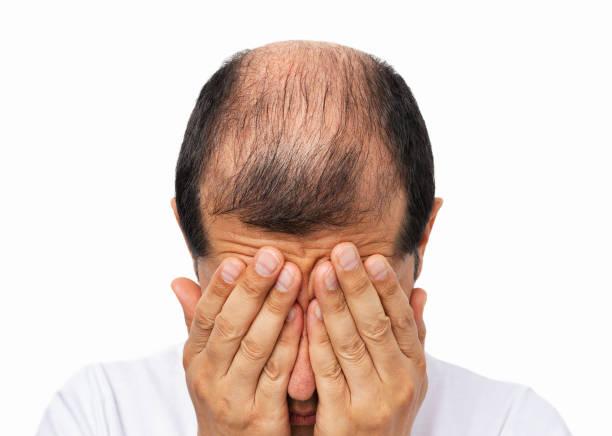

Hair loss can be a frustrating and confidence-shaking experience for many people. Whether it's due to genetics, stress, diet, or other factors, dealing with thinning hair can feel overwhelming. ? If you’ve tried over-the-counter treatments with little success, or you’re looking for something less invasive than surgery, PRP (Platelet-Rich Plasma) therapy might be a solution to your hair loss struggles. But is it the right choice for you? Let’s explore what PRP is, how it works, and whether it can help restore your hair. ✨
What is PRP Therapy? ?
PRP therapy is a non-surgical treatment that uses your body’s own blood to encourage hair regrowth. The process involves drawing a small sample of your blood, spinning it in a centrifuge to separate the plasma, and then injecting the platelet-rich plasma directly into areas of the scalp experiencing hair thinning. The platelets in PRP contain growth factors that can stimulate dormant hair follicles and encourage new hair growth. ?
How Does PRP Work for Hair Loss? ?
PRP works by delivering growth factors to the scalp, which help rejuvenate the hair follicles. These growth factors promote blood flow, tissue repair, and cell regeneration. By targeting the root cause of hair thinning, PRP aims to restore the hair growth cycle and stimulate new, healthier hair growth. It's most effective for those with early-stage hair loss or thinning, as it helps rejuvenate the existing follicles and make them more productive. ??
Who is a Good Candidate for PRP? ??
PRP therapy tends to be most effective for people who are experiencing mild to moderate hair loss. If you have pattern baldness (androgenic alopecia), PRP can help by stimulating the follicles that are still active but have become weakened.
It’s important to note that PRP therapy works best when there are still some viable hair follicles present. If your hair loss is advanced and you've lost large patches of hair, you may not see significant results. PRP isn’t a solution for completely bald areas where follicles are no longer active. ??
If you're considering PRP, consult a dermatologist or hair restoration specialist to determine if it’s the right treatment for your specific type of hair loss.
The PRP Treatment Process ?
The PRP procedure is relatively simple, minimally invasive, and involves the following steps:
Blood Draw: A small sample of your blood is drawn (similar to a blood test). ?
Centrifuge: The blood is placed in a machine that spins it at high speed to separate the plasma from the red blood cells and other components. This process isolates the platelet-rich plasma. ?
Injection: The PRP is then injected into targeted areas of your scalp where hair thinning is most noticeable. The injection process takes around 20–30 minutes. ?
Most people tolerate the procedure well, but numbing agents can be applied to the scalp to minimize discomfort. Afterward, you may experience some mild redness or swelling, but there’s little to no downtime. ⏳
What Results Can You Expect? ?

PRP therapy is not an instant fix. Most people start to see improvements 3–6 months after their first treatment. Over time, you may notice:
Thicker hair and improved density
New hair growth in thinning areas
Increased hair strength and quality ?
For the best results, multiple sessions are typically required, spaced 4–6 weeks apart. Some people may need maintenance treatments every 4–6 months to sustain their hair regrowth. Patience is key, as hair grows slowly and the effects of PRP aren’t immediate. ⏰
What Are the Risks and Side Effects? ⚠️
PRP therapy is generally considered safe because it uses your own blood, which means the risk of allergic reactions or rejection is very low. However, as with any medical procedure, there are some potential risks and side effects:
Mild pain or discomfort at the injection sites
Swelling or redness on the scalp
Infection (rare, but possible)
These side effects are usually temporary and resolve within a few days. It’s essential to choose a qualified specialist to perform the procedure in a sterile environment to minimize the risks of infection. ?⚕️
Is PRP the Ultimate Solution to Hair Loss? ?♂️
PRP therapy is a promising option for many people struggling with hair loss, but it’s not a one-size-fits-all solution. While PRP can help stimulate hair regrowth and improve hair thickness for some, it may not work for everyone. The results depend on factors such as:
The stage of your hair loss (PRP works best in the early stages)
Your overall health
The cause of your hair loss
For those seeking a non-invasive, natural treatment for thinning hair, PRP can offer significant benefits. However, it’s important to have realistic expectations. PRP isn’t a permanent fix, and ongoing treatments may be needed to maintain results.
If you’re considering PRP therapy, it’s a good idea to consult with a professional who can evaluate your hair loss and help you determine if it’s the right treatment for your needs. ?⚕️
Final Thoughts ?
PRP therapy can be a game-changer for those dealing with hair loss, but it’s not a miracle cure. It offers a safe, non-surgical option for stimulating hair growth and improving hair density. If you're in the early stages of hair loss, PRP could be the solution you've been looking for! ?
As always, make sure to do your research, consult with a specialist, and weigh all your options before committing to any treatment. Here’s to thicker, fuller hair and a renewed sense of confidence! ?
Post Your Ad Here
Comments