Beneath the Surface: The Critical Role of Commercial Divers in Maintenance and Repair Services
Commercial diving is a crucial yet often underappreciated profession that plays a vital role in the maintenance and repair of infrastructures submerged underwater. These infrastructures range from ships and offshore drilling rigs to bridges and dam walls. This article delves deep into the world of commercial diving, exploring the essential functions these divers perform, the risks they face, and the skills required to navigate this challenging career.
Introduction
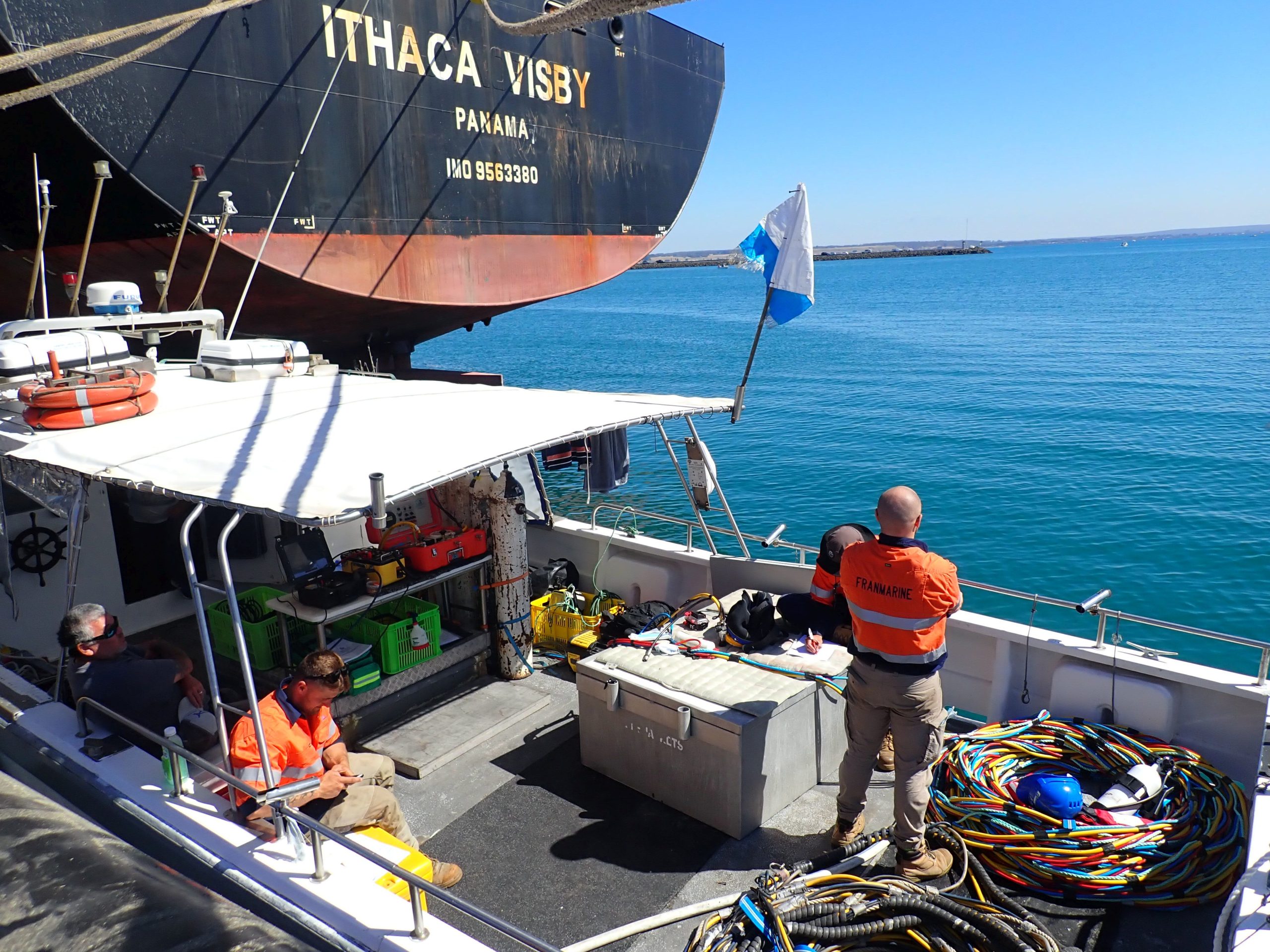
Commercial diving encompasses a range of underwater activities but is distinctly different from recreational diving due to its complex and hazardous nature. Predominantly, commercial divers are deployed in engineering projects such as installation, maintenance, inspection, and repair of structures located beneath the waterline. The tasks are not only physically demanding but also mentally exhausting, requiring a high level of proficiency and nerve.
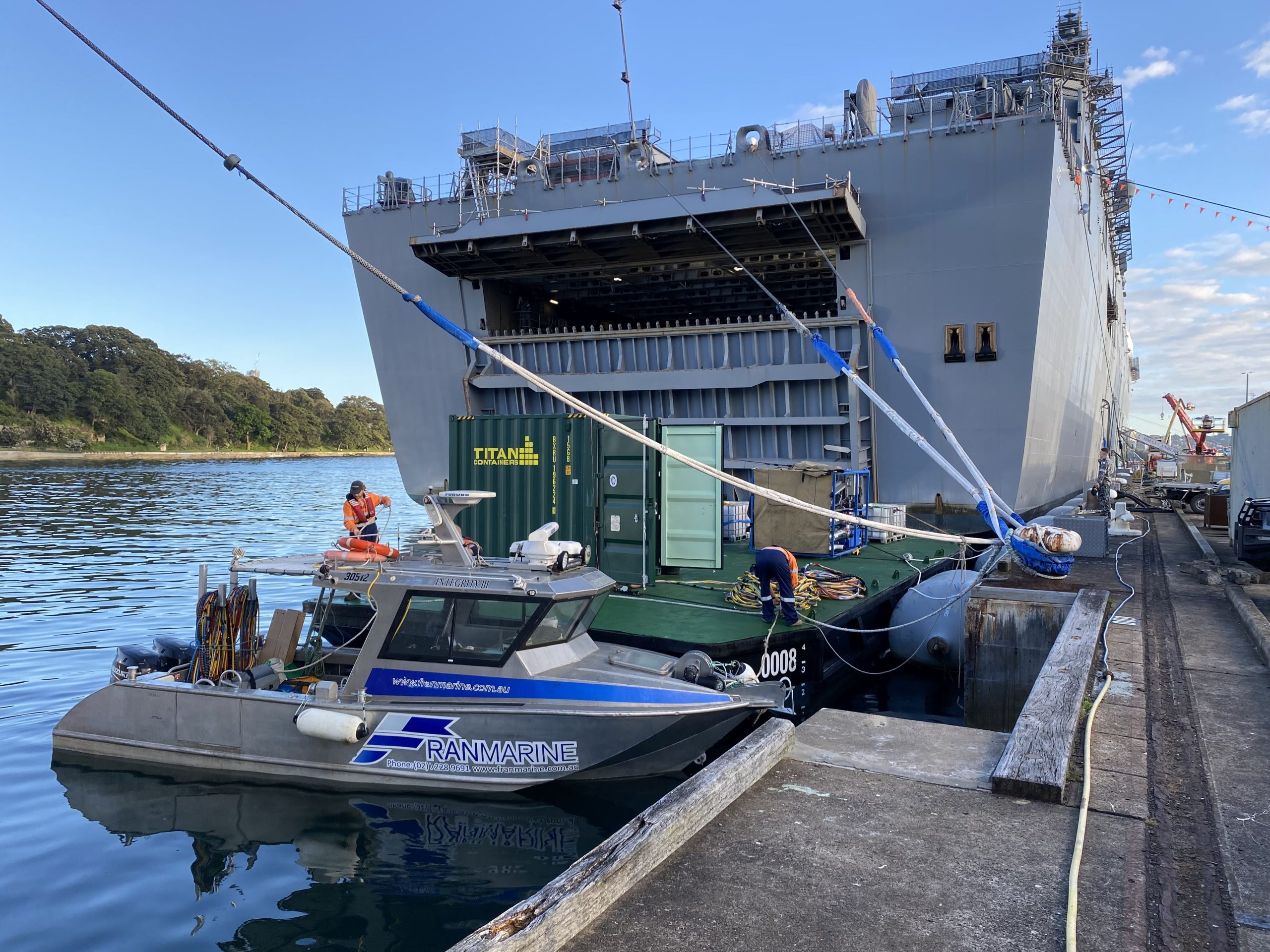
For instance, companies like Franmarine Underwater Services specialize in providing tailored diving services that address the specific needs of marine and freshwater facilities in Sydney. These services highlight the integral role that commercial divers play in maintaining the operational integrity and safety of crucial underwater infrastructures.
Scope of Work
The scope of work for commercial divers is exceptionally diverse. It includes inspecting and repairing pipelines, conducting surveys on submerged structures, welding and cutting underwater, and even salvaging sunken vessels. Each task demands a specific set of skills and technologies, ranging from simple hand tools to sophisticated robotic systems and remotely operated vehicles (ROVs).
Additionally, involvement in scientific research and environmental monitoring underscores the adaptive nature of commercial diving. Divers may collect samples for ecological studies or install instruments to monitor pollution levels, contributing valuable data that supports the sustainability of aquatic environments.
Skills and Training
Entering the field of commercial diving requires rigorous training and certification. Divers must master a variety of diving techniques and become familiar with the tools and technology used in underwater operations. Training typically includes safety protocols, emergency response techniques, and detailed practical sessions on handling hyperbaric environments.
Beyond technical prowess, commercial divers must develop strong problem-solving abilities and the capacity to perform under pressure, traits that are critical when navigating the unpredictable conditions presented by submerged environments.
Safety Measures and Risks
The hazardous nature of underwater diving demands stringent safety measures. Commercial divers risk decompression sickness, hypothermia, and potential encounters with hazardous marine life. Diving operations are strictly regulated to ensure each mission is as safe as possible, involving detailed risk assessments and the use of specialized diving gear and support teams.
Pre-dive health checks, regular equipment inspections, and adherence to decompression protocols are mandatory. Despite these precautions, the inherent risks make insurance and health coverage essential aspects of a diver’s career planning, ensuring they are covered in case of accidents or health issues arising from their occupational duties.
Environmental Considerations
Commercial diving is not merely about infrastructure. It also plays a critical role in preserving the aquatic environment. Divers are often at the forefront of battling pollution, participating in cleanup operations, and restoring habitats affected by human activities or natural disasters.
This synergy between industry and environmental stewardship showcases the broader impact of commercial diving, highlighting its importance not only to economic interests but also in fostering ecological balance. The preservation of underwater ecosystems is crucial, and commercial divers are pivotal in efforts to maintain the health of these vital resources.
Industry Challenges
Despite its importance, the commercial diving industry faces various challenges. The high cost of training and equipment can be a barrier to entry for many aspiring divers. In addition, the physically demanding nature of the job leads to a high attrition rate, with many divers leaving the field for less strenuous occupations as they age.
Moreover, technological advancements, while beneficial, also pose adaptation challenges to divers who must continuously update their skills. The rapid development of unmanned and robotic systems may change the landscape of commercial diving, possibly reducing the demand for human divers in certain roles.
Case Studies and Success Stories
Several notable case studies illustrate the success and critical importance of commercial diving services. For example, after a severe storm damaged an offshore oil platform, commercial divers from Franmarine Underwater Services were vital in the rapid assessment and repair of the structure, ensuring minimal downtime and preventing environmental disaster.
Another instance involved the recovery of a rare species of coral found during a commercial diving operation. Divers were able to successfully relocate the coral to a protected area, demonstrating the role commercial diving can play in environmental conservation efforts.
Commercial diving is a field that continues to evolve, driven by advances in technology and changing environmental regulations. The divers who work beneath the surface are not just performing another job; they are undertaking missions critical to the safety, efficiency, and sustainability of our aquatic environment. Their work often goes unnoticed but remains essential in maintaining and repairing the vital infrastructures that sustain modern economies and preserve natural ecosystems.
Post Your Ad Here
Comments