Planning Free Garden Buildings: Rules You Should Know
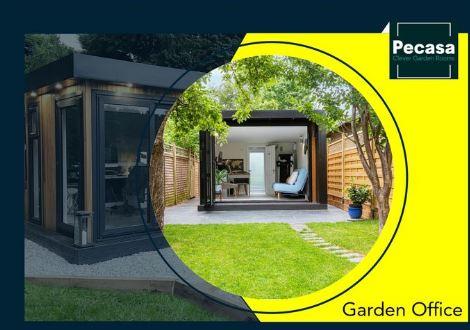
Adding a garden building to your property can be
a fantastic way to create extra space, whether for storage, leisure, or work.
The good news is that in many cases, you may not need to apply for planning
permission. However, specific rules and regulations must be followed to ensure
your garden building qualifies as planning-permission-free. Below, we’ll
outline the essential guidelines to help you navigate this process.
Understanding Permitted Development Rights
Permitted development rights are regulations that
allow certain building projects to proceed without the need for planning
permission. Garden room London
often falls under these rights, provided they meet specific criteria.
However, it’s essential to understand that these rights can vary depending on
your location, property type, and local council regulations.
Key Rules for Planning-Free Garden Buildings
To ensure your garden building doesn’t require
planning permission, it must meet the following requirements:
1.
Use of the Building
o The
garden building must be used for a purpose considered "incidental to the
enjoyment of the dwelling house." This can include uses like:
§ Home
offices
§ Workshops
§ Storage
sheds
§ Summerhouses
§ Playrooms
o It
cannot be used as a separate residential dwelling, self-contained
accommodation, or a business premises accessible to the public.
2.
Size and Height Restrictions
o The
maximum overall height of the garden building must not exceed:
§ 4
meters for a dual-pitched roof
§ 3
meters for any other type of roof
§ 2.5
meters if the building is within 2 meters of a boundary
o The
eaves height must not exceed 2.5 meters.
3.
Location on the Property
o The
garden building must be located in the property’s rear garden.
o It
cannot be placed forward of the principal elevation (front) of the house.
o The
structure must maintain a reasonable distance from any public highways or
roads.
4.
Land Area and Coverage
o The
garden building, along with any other outbuildings, must not cover more than
50% of the total area of the property’s curtilage. This excludes the area of
the house itself.
5.
Listed Buildings and Conservation Areas
o If
your property is a listed building or located in a conservation area,
additional restrictions may apply. You may need to seek specific consent before
proceeding with your project.
6.
Utilities and Services
o The
garden building & garden designers North
London should not include permanent plumbing for bathrooms, kitchens,
or other facilities that could convert it into a self-contained residence.
Special Considerations for Specific Properties
·
Flats, Apartments, and Maisonettes
o Permitted
development rights typically do not apply to flats, apartments, or maisonettes.
If you live in one of these property types, you will likely need to apply for
planning permission.
·
Designated Areas
o Properties
in national parks, areas of outstanding natural beauty, or conservation areas
may face stricter rules. In such cases, planning permission may be required
even for small garden buildings.
·
Building Regulations
o While
planning permission may not be necessary, your garden building may still need
to comply with building regulations if it exceeds certain size or usage
thresholds. For example, buildings over 15 square meters may need to meet fire
safety and structural standards.
Tips for Ensuring Compliance
1.
Check Local Regulations
o Always
check with your local planning authority to confirm that your project complies
with permitted development rights. They can provide guidance specific to your
area.
2.
Design with Care
o Keep
the building’s size and height within the permitted limits. Opt for a design
that complements your existing property and doesn’t obstruct neighbors’ views.
3.
Consider Environmental Impact
o Use
eco-friendly materials and construction methods to minimize the environmental
impact of your garden building. This may also improve the structure’s
insulation and energy efficiency.
4.
Consult Professionals
o If
you’re unsure about any aspect of your project, consult a professional builder,
architect, or planning consultant. They can help you navigate the rules and
ensure your building is compliant.
5.
Maintain Records
o Keep
detailed records of your project, including plans, dimensions, and materials
used. This can be useful if any questions arise about the building’s
compliance.
Popular Uses for Garden Buildings
Many homeowners are opting for garden buildings
as a versatile solution for additional space. Here are some of the most popular
uses:
·
Home Office: With remote work
becoming more common, a garden office provides a quiet and dedicated workspace
away from the main house.
·
Hobby Room: Whether you’re into
painting, crafting, or playing music, a garden building can serve as a private
studio.
·
Guest Room: While it can’t be a
self-contained dwelling, a garden building can be a cozy space for occasional
guests.
·
Gym or Wellness Room: Create a
personal fitness retreat complete with exercise equipment, yoga mats, and even
a sauna.
·
Children’s Playroom: Give your
kids a dedicated space to play, learn, and explore.
When to Apply for Planning Permission
If your project does not meet the criteria for
permitted development, you will need to apply for planning permission. This
process involves submitting detailed plans and specifications to your local
planning authority. While it may take additional time and effort, obtaining
permission ensures that your building complies with all legal requirements and
avoids potential disputes.
Conclusion
Planning
permission free garden building offers an excellent way to enhance your
property without the added hassle of extensive paperwork. By understanding and
adhering to the rules outlined above, you can create a functional and
attractive space that meets your needs. Always check with your local planning
authority for any specific restrictions or requirements before starting your
project. With careful planning and compliance, you can enjoy the benefits of
your new garden building for years to come.
Post Your Ad Here
Comments