The Ultimate Guide to Creating Perfect Floor Plans
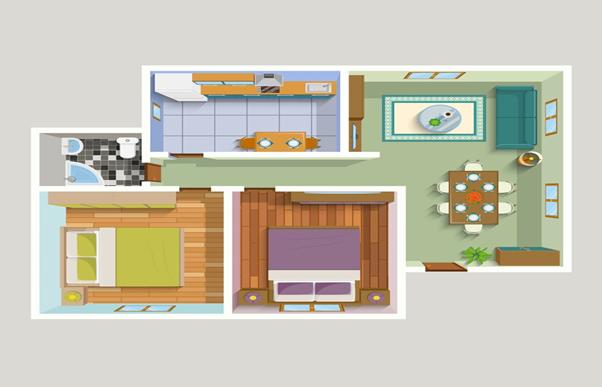
Creating the
perfect floor plan is a crucial step in the process of designing any building,
be it a residential, commercial, or industrial space. A floor plan is the
blueprint of a space, a detailed and scaled diagram that illustrates how the
layout of rooms and areas will be arranged. It serves as the foundation for all
the subsequent stages of construction, design, and renovation. Whether you're
building a new home, remodeling an office, or designing a retail space, having
a functional and aesthetically pleasing floor plan can make all the difference
in how the space works for its intended purpose.
Understanding
the Importance of a Floor Plan
Before delving
into the specifics of creating a floor plan, it’s important to understand why
they are so essential. A well-designed floor plan doesn’t just provide a visual
representation of the layout; it optimizes the flow and functionality of the
space. It helps in making informed decisions about room sizes, positioning of
walls, windows, doors, and furnishings, ensuring that everything fits together
harmoniously.
Additionally, a
floor plan enables better space utilization, prevents costly errors during
construction, and ensures that all safety regulations and building codes are
adhered to. For homeowners and business owners alike, a floor plan can help in
visualizing the finished space before any actual work begins, saving both time
and money.
Key
Steps in Creating the Perfect Floor Plan
Creating a floor
plan can be a daunting task, but breaking it down into smaller steps can make
the process more manageable. From conceptualizing the space to refining the
layout, each step plays a pivotal role in ensuring that the final design meets
your needs and expectations.
1:
Define the Purpose and Function of the Space
The first step in
creating any floor plan is to clearly define the purpose of the space.
Different types of spaces require different layouts and considerations. For
instance, a family home will prioritize comfort, privacy, and convenience,
while an office space might need to focus on functionality, collaboration, and
flow.
Ask yourself key
questions: How will the space be used on a day-to-day basis? Will it serve
multiple purposes? Will the space accommodate different activities or functions
simultaneously? Understanding the needs and functions of the space will help
you determine the size and layout of each room or area.
2:
Take Accurate Measurements
Accurate
measurements are fundamental to designing a functional and aesthetically
balanced floor plan. Start by measuring the entire space or the dimensions of
the building if you're working with an existing structure. Ensure that you
include details such as wall thickness, window and door placements, and ceiling
heights. For new builds, measurements will need to be based on the planned
exterior dimensions and boundaries.
If you are
working within an existing building, it is vital to assess the existing floor
layout, noting any structural elements like columns, beams, and load-bearing
walls that cannot be moved or altered. Having a clear understanding of the size
and shape of the space will prevent any unexpected surprises later in the
design process.
3:
Decide on the Layout and Flow
Once you have a
clear understanding of the space’s dimensions, it’s time to think about the
layout and flow. How will people move through the space? The layout should
prioritize easy navigation, allowing for an intuitive flow between rooms and
areas. Avoid creating cramped corridors or placing furniture in ways that
restrict movement.
For a home,
consider how different areas of the house will be used. For example, the
kitchen and dining areas should be easily accessible to each other, while
bedrooms should be located away from noisy spaces like living rooms or home
offices. In a commercial setting, think about how customers or employees will
interact with the space. The layout should make it easy for them to access key
areas without confusion or unnecessary detours.
The flow of the
space should also take into account natural light sources, views, and
ventilation. Positioning windows and doors in the right places will enhance the
overall feel of the space and contribute to a more pleasant atmosphere.
4:
Create Zones and Define Spaces
A successful
floor plan often features well-defined zones that clearly delineate different
areas within the space. This helps in maintaining order and organization,
ensuring that each area serves its intended function without disrupting others.
In a home, this
might mean separating living spaces from private ones. For example, the living
room, kitchen, and dining area might be grouped together in an open-plan
layout, while the bedrooms and bathrooms are positioned in a more secluded part
of the home. In commercial spaces, zones might be dedicated to customer
service, storage, offices, and break areas, each with distinct needs and
requirements.
The goal is to
ensure that each zone flows naturally into the next, with clear transitions
that don’t cause unnecessary disruption. For instance, a hallway or open space
can help separate two different zones, offering privacy and convenience.
5:
Incorporate Storage Solutions
Storage is an
often-overlooked element of floor planning, yet it plays a key role in ensuring
that the space remains functional and clutter-free. A well-designed floor plan
should incorporate ample storage solutions that suit the needs of the space.
For homes, this
may include built-in closets, cabinets, and shelving units that maximize
storage without taking up too much space. In commercial spaces, storage might
take the form of file rooms, storage closets, or custom-designed shelving for
products.
Including storage
solutions in the early stages of design can help prevent the need for awkwardly
placed furniture or additional structures later in the process. A floor plan
that anticipates and accounts for storage needs will improve the overall functionality
of the space.
6:
Refine and Optimize the Design
Once the initial
layout and flow have been established, the next step is to refine the design.
This is the stage where you fine-tune your plan, ensuring that every aspect of
the space is optimized for efficiency, aesthetics, and practicality. Pay close
attention to details such as furniture placement, room sizes, and the
positioning of windows and doors.
It’s also helpful
to think about how the floor plan will evolve over time. Will the space be
flexible enough to accommodate future changes or expansions? Designing a floor
plan that can adapt to future needs will increase its long-term value and
usability.
7:
Use a Floor Plan Creator for Visualization
One of the best
ways to refine your floor plan is to use a digital floor plan creator. These
tools allow you to visualize the layout in 3D, making it easier to identify
potential issues before any construction begins. You can adjust the design, try
different layouts, and experiment with various features in real-time, all
without committing to a final design.
Using a floor plan creator can save both time and
money by providing an accurate representation of the space, making it easier to
communicate your ideas with contractors, architects, and interior designers.
8:
Seek Feedback and Make Adjustments
Before finalizing
the floor plan, it’s a good idea to seek feedback from others who may have
experience with design or construction. This could include family members,
colleagues, or professional designers. Getting multiple perspectives can help
identify blind spots and ensure that the design is both functional and
aesthetically pleasing.
Once you’ve
received feedback, make any necessary adjustments to the layout, flow, or
dimensions. Refining your floor plan after gathering input ensures that it
meets all the practical and stylistic needs of the space.
9:
Finalize and Implement the Plan
With a finalized
floor plan in hand, it’s time to implement it. If you’re working with an
architect or contractor, ensure that the plan is clearly communicated to them,
and make sure that it complies with local building codes and regulations.
During construction, it’s important to remain flexible, as minor adjustments
may be necessary due to unforeseen challenges or opportunities.
A well-crafted
floor plan is a powerful tool that sets the foundation for a successful
construction project. By following the steps outlined above and utilizing
modern tools like a floor plan creator, the process of designing and creating
the perfect floor plan becomes a manageable and rewarding task.
Conclusion
Designing a
perfect floor plan requires careful thought and attention to detail. It’s not
just about creating a visually appealing layout but also ensuring that the
space functions optimally for its intended purpose. By defining the purpose of
the space, measuring accurately, optimizing flow and functionality, and using
tools like a floor plan creator, anyone can create a space that is both
practical and aesthetically pleasing. Whether you’re designing a home or a
commercial space, a well-designed floor plan is key to creating a space that
works harmoniously for everyone who uses it.
Post Your Ad Here
Comments