How Enlarged Uterus Symptoms Affect Your Quality of Life
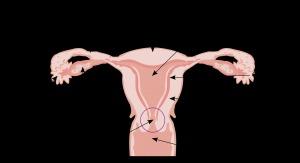
An enlarged
uterus can impact women of various ages, often resulting from conditions such
as fibroids, adenomyosis, or other gynecological issues. Recognizing and
addressing these symptoms early can prevent further complications and improve
overall health.
Common Enlarged Uterus Symptoms
The symptoms
of an enlarged uterus vary depending on the underlying cause. Some of the most
commonly reported symptoms include:
Pelvic Pain or Pressure: Women often experience discomfort in the pelvic region due to
the increased size of the uterus.
Abnormal Menstrual Bleeding: This includes heavy, prolonged periods or spotting between
cycles.
Frequent Urination: The enlarged uterus can press against the bladder, leading to an
increased need to urinate.
Bloating or Fullness: Women may feel a constant sense of bloating or fullness in the
lower abdomen.
Pain During Intercourse: An enlarged uterus may lead to discomfort or pain during
intimacy.
Lower Back Pain: The additional weight and size can strain the back muscles,
causing chronic lower back pain.
Causes of Enlarged Uterus Symptoms
Several
conditions contribute to an enlarged uterus. Here are some of the most common
causes:
Fibroids: These noncancerous growths are one of the leading causes of an
enlarged uterus. Fibroids can range in size, leading to noticeable symptoms.
Adenomyosis: This condition occurs when the uterine lining grows into the
muscular wall, causing the uterus to enlarge.
Endometrial Cancer: In rare cases, uterine enlargement may signal malignancy.
Hormonal Imbalances: Changes in hormone levels during menopause or perimenopause can
also contribute to uterine enlargement.
How Enlarged Uterus Symptoms Affect Daily Life
Women
experiencing these symptoms may notice significant changes in their daily
routines. Constant pelvic discomfort and frequent bathroom visits can disrupt
work and personal life. Additionally, heavy menstrual bleeding may lead to
anemia, fatigue, and a decreased quality of life.
Diagnosing Enlarged Uterus Symptoms
If you
experience persistent symptoms, it is crucial to seek medical attention.
Healthcare providers often use a combination of the following methods for
diagnosis:
Physical Examination: A pelvic exam can help identify abnormalities.
Ultrasound: This imaging technique provides detailed visuals of the uterus
and surrounding organs.
MRI: In some cases, an MRI may be necessary to confirm the diagnosis.
Blood Tests: These tests can detect anemia or other underlying issues.
Treatment Options for Enlarged Uterus Symptoms
Treating an
enlarged uterus depends on the root cause and severity of the symptoms. Common
treatment options include:
Medications: Hormonal therapy can regulate periods and reduce symptoms.
Uterine Fibroid
Embolization (UFE): This non-surgical procedure is effective for fibroid-related
enlargement.
Surgical Interventions: In severe cases, options like myomectomy
or hysterectomy may be recommended.
Lifestyle Adjustments: Diet changes and exercise can help manage symptoms and improve
overall health.
When to Seek Medical Attention
It’s
important to consult a healthcare provider if you notice:
Persistent
pelvic pain or pressure
Unusual
menstrual changes
Difficulty
performing daily activities due to symptoms
Preventing Enlarged
Uterus Symptoms
While not all
cases are preventable, taking these steps can reduce the risk:
Regular Checkups: Routine gynecological exams help identify potential issues
early.
Healthy Lifestyle: Maintaining a balanced diet and regular exercise supports
hormonal balance.
Stress Management: Chronic stress can exacerbate symptoms, so relaxation techniques
are beneficial.
Enlarged Uterus Symptoms and Mental Health
Living with
an enlarged uterus can take a toll on mental health. Chronic pain and
discomfort often lead to anxiety or depression. Seeking professional support
and discussing symptoms with loved ones can provide relief.
Importance of Awareness
Raising
awareness about enlarged uterus symptoms empowers women to seek timely medical
care. Understanding the signs, causes, and treatment options ensures better
outcomes and improved quality of life.
Post Your Ad Here
Comments