What Challenges Will HVAC Contractors Face in 2025, and How Can Estimating Services Provide Solution
The HVAC industry is no stranger to change, and as we move into 2025, contractors must adapt to emerging trends to stay ahead of the competition. HVAC estimating services, in particular, are undergoing significant advancements, enabling contractors to improve accuracy, efficiency, and profitability. Here are the top trends in HVAC estimating services that every contractor should embrace to secure future growth.
Integration of Artificial Intelligence (AI) and Machine Learning
AI and machine learning are transforming HVAC estimating services by enabling predictive analytics, automated cost projections, and smarter decision-making. These technologies analyze vast datasets to identify patterns, forecast material costs, and optimize labor allocation, reducing errors and improving estimate precision.
Contractors can save time, reduce costs, and gain a competitive edge by leveraging AI-driven insights in their estimating processes. Additionally, AI can assist in scenario analysis, helping contractors prepare for multiple project outcomes and adjust their strategies accordingly.
Cloud-Based Estimating Software
The adoption of cloud-based estimating tools is revolutionizing the way contractors manage their projects. These platforms allow real-time collaboration, secure data storage, and easy access to estimates from any device, anywhere. Teams can work together seamlessly, regardless of their physical location.
Cloud-based tools enhance flexibility and scalability, enabling contractors to streamline operations and adapt to changing project requirements. They also provide enhanced security measures to protect sensitive project data, ensuring compliance with industry standards.
Focus on Sustainability and Energy Efficiency
As sustainability becomes a top priority, HVAC estimating services are increasingly incorporating green building practices and energy-efficient solutions into their processes. This includes evaluating the costs and benefits of eco-friendly materials, renewable energy systems, and compliance with environmental regulations.
By embracing sustainability, contractors can meet client demands, adhere to regulations, and position themselves as leaders in the green building movement. Energy-efficient systems also offer long-term savings for clients, making contractors who prioritize sustainability more appealing to environmentally conscious customers.
Automated Takeoff Tools
Manual takeoffs are time-consuming and prone to errors. Automated takeoff tools are becoming standard in HVAC estimating services, streamlining the process of measuring and quantifying materials and labor. These tools use advanced algorithms to interpret project blueprints and generate accurate takeoffs in a fraction of the time.
Automation increases accuracy, reduces the time spent on estimates, and allows contractors to focus on higher-value tasks. It also minimizes the risk of costly miscalculations, ensuring projects remain on budget and schedule.
Enhanced Data Integration and Reporting
The integration of estimating software with other project management tools, such as accounting systems and scheduling platforms, is gaining traction. This seamless connectivity allows contractors to track project costs, timelines, and performance metrics more effectively. Data integration also helps in generating comprehensive reports that provide valuable insights into project efficiency.
Integrated systems improve transparency, decision-making, and overall project management efficiency. Contractors can easily identify areas for improvement and make data-driven decisions to enhance their operations.
Emphasis on Client-Centric Solutions
Modern clients expect transparency, professionalism, and tailored solutions. HVAC estimating services are evolving to provide detailed and visually appealing proposals that align with client needs and expectations. These services often include interactive features that allow clients to explore different options and understand the cost implications of their choices.
Client-centric estimates build trust, improve communication, and increase the likelihood of winning contracts. Contractors who prioritize client satisfaction are more likely to secure repeat business and referrals.
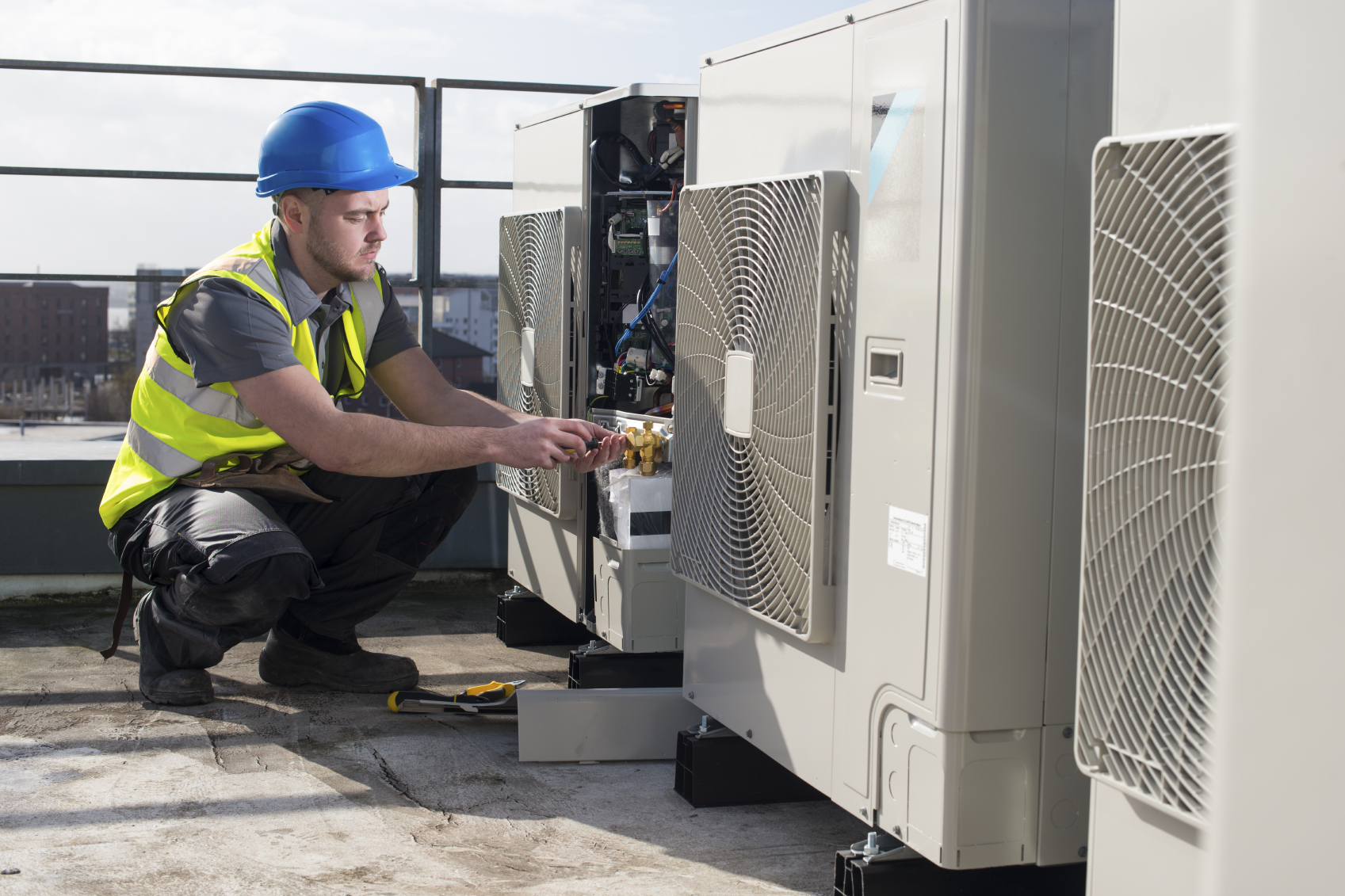 HVAC Estimating Services
Use of 3D Modeling and BIM Technology
Building Information Modeling (BIM) and 3D modeling are reshaping how HVAC estimates are prepared. These technologies provide detailed visual representations of HVAC systems, helping contractors identify potential design issues and optimize resource allocation. BIM models can also simulate system performance, providing insights into energy efficiency and maintenance requirements.
BIM and 3D modeling enhance collaboration, reduce rework, and improve the accuracy of estimates. They also help contractors communicate complex designs to clients more effectively, building trust and confidence in their expertise.
Real-Time Pricing Databases
Fluctuating material costs are a constant challenge for HVAC contractors. Real-time pricing databases integrated into estimating software provide up-to-date cost information, enabling contractors to prepare accurate bids quickly. These databases can also alert contractors to potential price changes, allowing them to adjust their estimates proactively.
Staying informed about market trends ensures that contractors remain competitive and profitable. Real-time data helps contractors avoid underbidding or overbidding, ensuring their proposals are both attractive and realistic.
Growth of Modular HVAC Systems
Modular HVAC systems, which are pre-engineered and assembled off-site, are gaining popularity due to their efficiency and flexibility. Estimating services are adapting to this trend by incorporating the unique requirements of modular systems into their calculations.
Modular systems reduce installation time and costs, offering a competitive advantage to contractors who specialize in them. Accurate estimates ensure that these benefits are clearly communicated to clients.
Training and Skill Development
As technology advances, contractors must ensure their teams are equipped with the skills needed to leverage new tools and techniques. Estimating services are increasingly offering training programs and resources to help contractors stay updated.
Ongoing training ensures that contractors can fully utilize modern estimating tools, improving efficiency and accuracy. It also demonstrates a commitment to professional development, enhancing a contractor’s reputation in the industry.
Conclusion
The HVAC estimating services landscape is evolving rapidly, and contractors must embrace these trends to thrive in 2025 and beyond. By adopting AI, cloud-based tools, sustainability practices, and advanced technologies like BIM, contractors can enhance accuracy, efficiency, and client satisfaction. These innovations not only streamline operations but also position contractors as forward-thinking leaders in a competitive industry.
Investing in modern estimating services is no longer optional; it is a necessity for future growth. By staying ahead of these trends, contractors can secure their place at the forefront of the HVAC industry, ready to tackle new challenges and seize emerging opportunities.
FAQs
How can AI improve HVAC estimating services?
AI enhances accuracy by analyzing data, forecasting costs, and automating repetitive tasks, saving time and reducing errors. It also helps contractors identify trends and make informed decisions.
What is the benefit of cloud-based estimating software?
Cloud-based tools enable real-time collaboration, secure data access, and flexibility, improving efficiency and scalability. They also reduce IT overhead and provide consistent updates to ensure optimal performance.
Why is sustainability important in HVAC estimating?
Incorporating energy-efficient solutions and green practices helps contractors meet client expectations, comply with regulations, and stay competitive. Sustainability also enhances a contractor’s brand image and attracts environmentally conscious clients.
Post Your Ad Here
Comments