Top 10 Benefits of Preschool Education for Your Child's Development
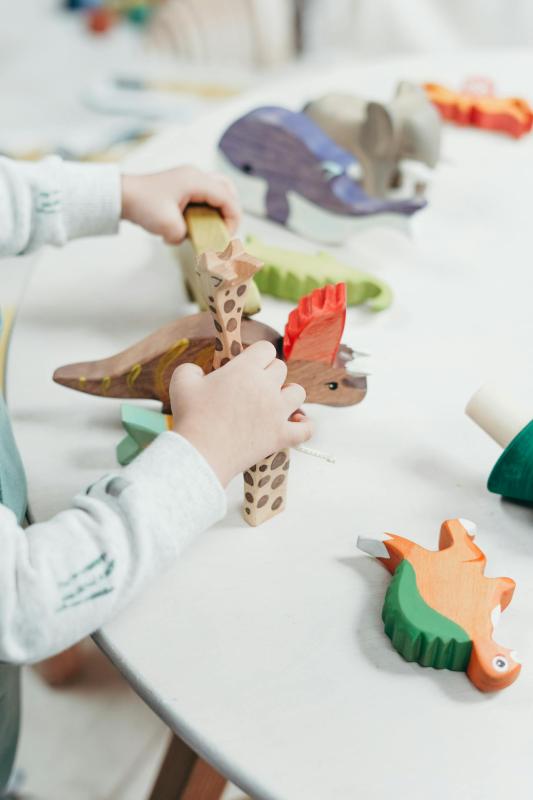
As a parent, you want the best for your child, and one of the most significant decisions you'll make early on is choosing the right preschool. Preschool education not only introduces children to formal learning but also plays a pivotal role in their overall development. From building social skills to laying the foundation for academic success, preschool is an essential part of a child’s growth. In this article, we’ll explore the top 10 benefits of preschool education for your child’s development.
1. Social and Emotional Development
Preschool provides children with an opportunity to interact with their peers, helping them develop essential social skills. Learning to share, take turns, and cooperate with others are critical aspects of emotional growth that preschool helps nurture. These social interactions build your child’s self-confidence and self-esteem, setting them up for success in future school settings and in life.
At schools like St. Christopher School, children are encouraged to build friendships and navigate social situations in a safe and supportive environment, which fosters emotional resilience and interpersonal skills.
2. Improved Communication Skills
One of the key benefits of preschool is the development of strong communication skills. In a preschool setting, children are encouraged to express themselves verbally, whether through storytelling, group discussions, or daily interactions. This early exposure to language and communication significantly enhances their vocabulary and language comprehension, setting the stage for future literacy success.
Teachers use interactive activities and games to engage children in conversation, helping them articulate their thoughts, ask questions, and engage in meaningful dialogue. Early exposure to these communication skills also makes a child more confident when speaking in front of others.
3. Cognitive and Academic Growth
Preschool education provides children with the foundation for academic learning. By introducing them to letters, numbers, shapes, and colors, preschool teachers ignite curiosity and help build cognitive skills. Through hands-on activities, children are introduced to problem-solving techniques, critical thinking, and basic concepts of math and reading.
These early academic skills set children up for greater success as they transition to formal schooling, ensuring they feel confident and prepared to tackle more complex learning challenges. Many preschools, like St. Christopher School, offer a structured curriculum that builds on each child’s natural curiosity and ability to learn at their own pace.
4. Fostering Independence
At preschool, children are encouraged to perform tasks on their own, which helps foster a sense of independence. Whether it’s putting on their own shoes, packing away their toys, or completing a simple puzzle, preschool gives children opportunities to make decisions and feel proud of their accomplishments.
This sense of independence not only boosts their confidence but also helps them develop a sense of responsibility for their actions. Preschool education gives children the skills they need to handle everyday tasks with growing autonomy.
5. Structured Routine
Children thrive on routine, and preschool provides a structured environment that helps them understand the importance of time management. A typical preschool day involves various activities, such as snack time, playtime, learning time, and nap time, which help children understand the concept of time and build self-discipline.
A structured routine also helps children develop better focus, attention span, and the ability to follow instructions, all of which are essential skills for future academic success.
6. Encouragement of Creativity
Preschool is a space where creativity and imagination are encouraged. Through activities like arts and crafts, music, dance, and dramatic play, children are given the freedom to express themselves and explore their creativity. This not only fosters a love for the arts but also promotes problem-solving skills, critical thinking, and emotional expression.
These creative outlets also help children develop motor skills and a sense of accomplishment as they create something with their hands, whether it’s a drawing, a song, or a fun performance.
7. Improved Motor Skills
Preschool education places an emphasis on physical activities that help develop both fine and gross motor skills. Activities such as drawing, building with blocks, or using scissors strengthen hand-eye coordination and dexterity, while outdoor play, running, and jumping help improve balance, coordination, and overall physical fitness.
Regular physical activity is crucial for a child’s development and overall well-being, and preschool offers a safe, structured setting where children can practice and refine these motor skills.
8. Preparation for School and Future Learning
Preschool provides children with a gentle introduction to the world of formal education. It helps ease the transition to kindergarten by familiarizing children with school-like environments, routines, and expectations. The skills learned in preschool, from listening and following instructions to working in groups and handling structured tasks, directly prepare children for the challenges of primary school.
If you're considering nursery admissions Wembley, enrolling your child in a preschool can ensure they are well-prepared for the academic and social demands of elementary school.
9. Development of Strong Relationships with Educators
A positive relationship with a teacher or caregiver is a key element of preschool education. Teachers provide children with the guidance and support they need to navigate early childhood learning experiences. Through these interactions, children develop trust, security, and respect for authority figures, which is essential for their future interactions in school settings.
Preschool teachers, such as those at St. Christopher School, are trained to understand and meet the unique needs of each child, ensuring that children receive the individual care and attention they deserve.
10. Building a Love for Learning
One of the greatest benefits of preschool is that it cultivates a love for learning. When children are introduced to new ideas in a fun, engaging, and interactive way, they develop a natural curiosity about the world around them. By creating positive and enjoyable learning experiences, preschool helps children build a lifelong passion for education.
Children who enjoy learning in preschool are more likely to approach academic challenges with confidence and enthusiasm throughout their lives.
Conclusion
Preschool is more than just a stepping stone to kindergarten; it’s a critical period in your child’s development that has lasting benefits. From cognitive growth to emotional resilience, preschool offers a wealth of opportunities that will set your child up for success. Whether you’re considering nursery admissions Wembley or a renowned institution like St. Christopher School, investing in your child’s early education is one of the most important decisions you can make. A strong preschool foundation ensures your child’s smooth transition into formal schooling and lays the groundwork for their future success in life.
Post Your Ad Here
Comments