Sing, Dance, Learn: How Music and Movement Stimulate Cognitive Development
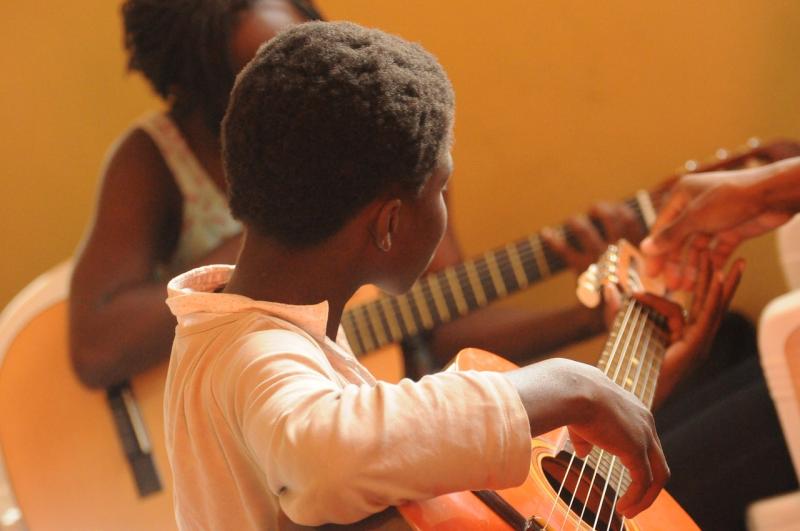
Music and movement are powerful tools in early childhood education. They not only entertain young learners but also play a significant role in stimulating cognitive development. By engaging in activities such as singing, dancing, and rhythm exercises, children develop essential skills that support their growth across multiple areas. For parents and educators looking to enhance their child's learning experience, integrating music and movement into daily activities can be a game-changer. Let’s explore how these dynamic activities contribute to cognitive development and why nursery schools, like Corner House Day Nursery in Ealing, embrace them as part of their curriculum.
The Connection Between Music, Movement, and Cognitive Development
Cognitive development refers to the progression of a child’s ability to think, learn, and solve problems. Nursery schools in Ealing, like Corner House Day Nursery, have recognized the importance of integrating music and movement into their curricula, ensuring that young learners experience a well-rounded education. Music and movement are linked to this development in several profound ways:
Enhancing Memory and Concentration Singing songs and participating in rhythmic activities help improve memory skills. Songs with repetitive phrases or verses encourage children to recall patterns and sequences, reinforcing their ability to retain information. In addition, focusing on music and movement activities requires children to concentrate, thus enhancing their attention span. These activities challenge their brains to work harder and more efficiently, laying the foundation for later learning experiences.
Building Language Skills Music and movement are natural allies in language development. When children sing songs, they practice pronunciation, vocabulary, and sentence structure. Rhythmic patterns in music also teach the fundamentals of speech, helping children grasp the flow and pacing of language. Moreover, incorporating actions into songs can link new words to physical movements, reinforcing comprehension and retention. For example, songs about animals can involve mimicking animal movements, making learning more interactive and memorable.
Stimulating Brain Development Research has shown that exposure to music and rhythmic movement can positively impact brain function. Music stimulates both the left and right hemispheres of the brain, promoting better neural connectivity and enhancing skills such as problem-solving and creativity. Furthermore, music and movement foster synaptic growth in children’s brains, helping to strengthen their ability to make connections, think critically, and develop emotional intelligence.
Improving Coordination and Motor Skills Dancing and rhythmic activities enhance fine and gross motor skills by encouraging children to move their bodies in coordinated ways. Actions like clapping, stomping, and swaying to the beat help improve their physical coordination and body awareness. Over time, these movements become more controlled, supporting physical development in addition to cognitive growth.
Promoting Emotional and Social Development Singing and dancing are social activities, and they offer children opportunities to engage with others. Whether it’s participating in a group activity or simply enjoying a solo performance, music and movement help children express emotions, build confidence, and learn to work as part of a team. They begin to understand the concept of taking turns, sharing space, and responding to group dynamics, all of which contribute to healthy social and emotional development.
Nursery School Ealing: Corner House Day Nursery’s Music and Movement Program
At Corner House Day Nursery, a leading nursery school in Ealing, the benefits of music and movement are fully embraced as part of the curriculum. With an understanding that these activities stimulate cognitive and physical development, the nursery incorporates singing, dancing, and rhythm exercises into daily routines. This approach ensures that children not only enjoy their learning experiences but also grow in a holistic manner, building essential skills for life.
For example, children at Corner House Day Nursery might engage in fun, interactive songs that involve hand movements, foot stomps, and even simple instruments like tambourines or maracas. These activities not only help children develop their motor skills but also teach them about rhythm, sound, and sequencing. The nursery's music-based curriculum is designed to nurture cognitive abilities while allowing children to express themselves creatively.
How Parents Can Encourage Music and Movement at Home
While nursery schools like Corner House Day Nursery provide a structured environment for music and movement, parents can also play a pivotal role in encouraging these activities at home. Here are a few simple ways to integrate music and movement into your child’s daily life:
- Sing Together: Choose simple songs that your child enjoys and sing them together. Add hand motions or dance moves to make it even more engaging.
- Play Instruments: Even homemade instruments like pots and wooden spoons can teach rhythm and beat. Let your child explore different sounds and make up their own tunes.
- Dance Freely: Turn on some fun music and let your child dance freely. Dance parties are a wonderful way to release energy, have fun, and improve coordination.
- Incorporate Music in Routine Activities: You can sing songs related to daily tasks, like brushing teeth or getting dressed, to make these activities more enjoyable and memorable.
- Use Music for Learning: Create simple songs to teach things like the alphabet, numbers, or animal names. These tunes help your child retain new information in a playful, interactive way.
Conclusion
Music and movement are integral parts of early childhood development, playing a crucial role in enhancing cognitive, physical, emotional, and social growth. Whether it’s through singing, dancing, or rhythm exercises, these activities stimulate critical areas of development that lay the foundation for future learning. By fostering a love for music and movement early on, children can grow in both mind and body, developing skills that will serve them for a lifetime.
Post Your Ad Here
Comments