AI-Driven Automation: Practical Examples Across Sectors
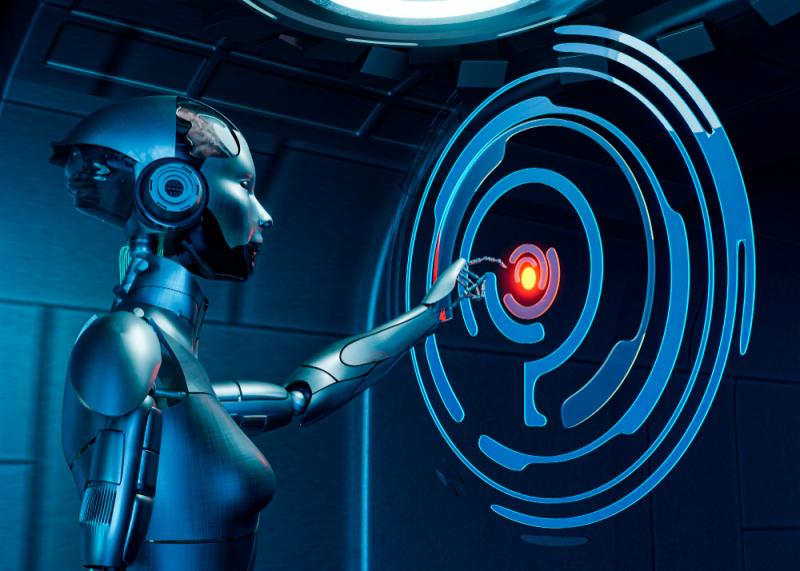
Artificial Intelligence (AI) is
reshaping how industries operate by automating processes, improving efficiency,
and reducing human error. From healthcare to manufacturing, AI agents are
taking on tasks that once required significant human effort. This article
explores AI agents use cases across different sectors, highlighting the ways
automation is transforming businesses and everyday life.
AI in Healthcare
AI-driven automation is making a
significant impact on the healthcare industry. From diagnostics to
administrative tasks, AI systems are streamlining processes and enhancing
patient care. For example, AI can analyze medical images to detect diseases
such as cancer at an early stage. This not only saves time for radiologists but
also improves accuracy. Additionally, AI chatbots are being used to handle
patient inquiries, schedule appointments, and provide basic health advice,
freeing up healthcare professionals to focus on more complex cases.
AI in Manufacturing
In manufacturing, AI-driven
automation is increasing productivity and ensuring quality control. AI-powered
robots are used in assembly lines to perform repetitive tasks with precision.
These robots can work 24/7 without fatigue, leading to higher output and
consistent product quality. AI systems also predict equipment failures through
predictive maintenance, allowing companies to address issues before they
disrupt production.
AI in Retail
The retail sector is leveraging
AI to enhance customer experiences and optimize inventory management. AI-driven
recommendation engines analyze customer behaviour to suggest products,
increasing sales and customer satisfaction. Automated checkout systems powered
by AI reduce wait times and improve the shopping experience. Additionally, AI
is used to forecast demand, helping retailers maintain optimal stock levels and
avoid overstocking or shortages.
AI in Finance
The finance industry relies
heavily on AI for fraud detection, risk assessment, and customer service. AI
algorithms analyze vast amounts of transaction data to identify unusual
patterns, flagging potential fraudulent activities in real-time. AI-driven chatbots
assist customers with account inquiries and financial planning. Furthermore, AI
is used to automate trading and analyze market trends to make quick and
informed investment decisions.
AI in Transportation
Transportation is another sector
benefiting from AI-driven automation. Autonomous vehicles are becoming more
common, with AI systems controlling navigation and detecting obstacles. AI is
also used to optimize logistics and supply chain management by predicting
delivery times and identifying the most efficient routes. This reduces
operational costs and enhances overall efficiency.
AI in Agriculture
Agriculture is embracing AI to
improve crop yield and reduce waste. AI-powered drones monitor crop health,
providing farmers with real-time data on irrigation needs and pest
infestations. Automated machinery, guided by AI, performs planting, watering,
and harvesting, reducing the need for manual labour and increasing efficiency.
AI in Education
AI-driven tools are transforming
education by personalizing learning experiences. AI systems analyze students'
progress and adapt lesson plans to meet individual needs. Automated grading
systems provide instant feedback, allowing educators to focus more on teaching.
Additionally, AI chatbots assist students by answering questions and offering
guidance on coursework.
Conclusion
AI-driven automation is
revolutionizing industries across the globe. From healthcare and manufacturing
to finance and education, AI agents use cases continue to expand, driving
efficiency, accuracy, and innovation. As technology advances, we can expect even
more sectors to adopt AI, reshaping the way businesses operate and improving
the quality of services provided.

Comments