How to Spot Roofing Issues Before Calling a Roofer Arlington VA
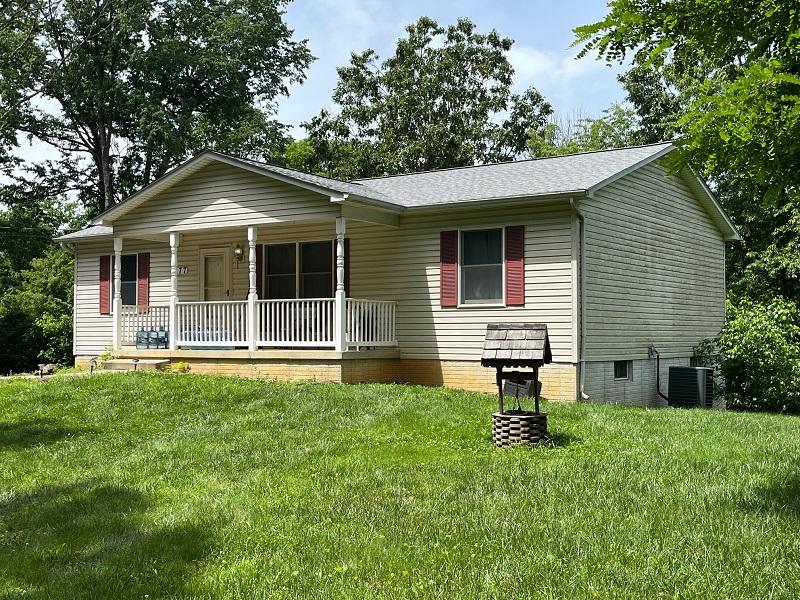
This article will discuss how to spot roofing issues, the importance of regular roof inspection, identifying problems early, and other related topics.
Inspect Your Roof Regularly
Regular inspections are necessary to spot issues early. Explore your property and take in the roof from various perspectives. Check for noticeable wear or damage that may require repair. After storms or strong winds, it's especially crucial to check before. Contact Roofer Arlington VA, for further inspection.
Look for Missing or Damaged Shingles
The first level of protection against weather is shingles. Missing, cracked, or curled shingles can expose your roof to leaks and water damage. It may be time to take action if you notice any shingles that appear out of place.
Check for Granule Loss
Asphalt shingles shed granules over time. While some granule loss is normal, excessive shedding can indicate wear and tear. Look for granules in your gutters or downspouts. A significant buildup means your shingles might need replacing soon.
Inspect for Sagging Areas
A sagging roof can signal structural issues. Stand back and look at the slope of your roof. Any dips or uneven areas could indicate water damage or weakened support. This issue requires immediate attention.
Examine Flashing and Seals
Flashing and sealing around vents, chimneys, and skylights prevent leaks. Check for cracks, rust, or loose materials in these areas. Leaks might result from damaged flashing, therefore it's critical to identify issues early.
Look for Water Stains Inside Your Home
Roof leaks are frequently indicated by water stains on walls or ceilings. Even minor stains can signal more significant, hidden problems. Trace the source of the stain to determine whether it's related to roofing issues.
Check for Mold or Mildew Growth
For mold and mildew to flourish, conditions must be moist. Look for any indications of growth on the ceilings and in your attic. These problems can impair your roof and interior air quality and are caused by moisture buildup from leaks or inadequate ventilation.
Assess Gutters and Drainage Systems
Water might back up beneath your roofline due to clogged or broken gutters. Look for any rusty areas, garbage, or drooping gutters. Proper drainage lowers the possibility of damage by ensuring that water drains away from your roof. Roofer Fairfax County can be helpful in such a situation.
Examine the Attic for Light Leaks
Turn off the lights in your attic during the day. Look for spots where sunlight is visible through the roof. Light leaks are clear indicators of holes or gaps that need repair.
Look for Signs of Pest Infestation
Pests like birds, squirrels, and insects can damage roofing materials. Check for nests, droppings, or gnawed sections around vents and eaves. Addressing infestations prevents further damage.
Inspect Roof Valleys and Edges
Roof valleys and edges often collect debris, leading to moisture buildup. Check for leaves, branches, or dirt in these areas. Clear any buildup and inspect for damage caused by prolonged exposure to moisture.
Evaluate the Chimney Condition
Chimneys can develop cracks or loose bricks that affect roof integrity. Examine the mortar and flashing around the chimney. Note and address any visible damage quickly.
Analyze Roofing Materials
Different roofing materials wear down differently. Metal roofs may rust, while tiles can crack or dislodge. Understanding your roof type helps you spot specific issues more efficiently.
Be Alert to Sudden Energy Bill Spikes
An abrupt rise in energy costs might be a sign of inadequate ventilation or insulation brought on by roofing issues. Inspect attic insulation and ventilation systems to ensure they are functioning correctly.
Perform a Downspout Test
Pour water into your gutters and check how it flows through the downspouts. Slow drainage or water pooling near your foundation could signal problems with the roof's drainage system. In such conditions, contact Loudoun County roofers immediately.
Take Note of Roof Age
Older roofs are more prone to problems. Know the age of your roof and compare it to the average lifespan of its materials. Roofs nearing the end of their lifespan may need closer monitoring and timely repairs.
Monitor Seasonal Damage
Harsh weather, such as snow, hail, and heavy rains, can damage roofs. Check for obvious wear or damage from severe weather on your roof at the end of each season.
Consider Professional Inspections
While personal inspections are helpful, professional evaluations offer more profound insights. Schedule annual inspections even if no visible damage is apparent. Roofers use specialized tools to detect hidden problems.
Look for Pooling Water
Flat or low-slope roofs are especially prone to pooling water. Standing water can weaken roofing materials, leading to leaks and structural issues. Check for puddles after rain and address drainage problems promptly.
Assess Skylights and Dormers
Skylights and dormers add beauty and light to your home but can also be vulnerable to leaks. Examine the seals, flashing, and glass for cracks or gaps. Ensure they are watertight to prevent future problems.
Conclusion
Taking the initiative to maintain your roof might help you spot problems before they get out of hand. Use this guide to inspect your roof and address minor problems early. When in doubt, contacting a professional roofer ensures your home remains safe and secure.
Post Your Ad Here
Comments