Bone Density Test: How Is It Done?
A bone density test,
sometimes called dual-energy X-ray absorptiometry or bone densitometry, is a
diagnostic procedure used to assess bone strength and the risk of fractures and
osteoporosis. This non-invasive method is crucial for people at risk of
bone-related disorders since it enables medical professionals to evaluate bone
health and create effective treatment regimens. Let's discuss more about the
test in detail:
What is a DEXA scan?
An imaging test called
a DEXA scan measures how strong your bones are. It measures the density of your
bones using X-rays. Dual-energy X-ray absorptiometry is shortened to DXA. This
test measures bone mineral density (BMD), which tracks the health of bones over
time and aids in diagnosing diseases like osteoporosis. Medical professionals
occasionally refer to DEXA scans as bone density scans, DEXA examinations, or
bone density examinations.
How Is It Done?
The test usually lasts
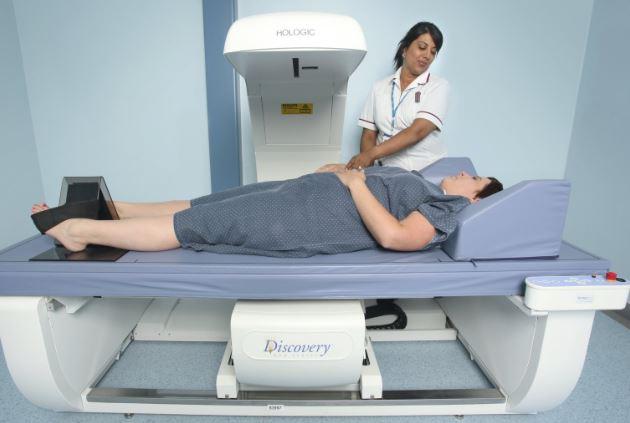
about 10-30 minutes in a hospital or clinic. The patient lies on a padded
surface while a scanning gadget moves around the body. The DEXA Scan is done on the forearm,
hip, and spine. These areas are significant because they are prone to fractures
caused by osteoporosis.
DEXA scans use low-dose
X-rays, which make them safe and painless. Bone density is measured using two
X-ray beams of various intensity levels. The machine determines the quantity of
calcium and other minerals in a bone segment. The T-score and Z-score are the
average values for a healthy young adult and a person of comparable age and
gender.
The data help doctors
establish treatment regimens to maintain or improve bone health. Postmenopausal
women, older adults, and those with risk factors such as a family history of
osteoporosis or long-term steroid usage should have regular screenings.
Importance of Bone
Density Testing
Bone density testing is
essential for anyone who is at risk for osteoporosis, particularly older
adults, postmenopausal women, and people with a family history of fractures.
Enhancing bone strength and lowering the risk of fractures aids in the early
detection of bone loss and allows for prompt intervention by dietary
modifications, lifestyle changes, or medication.
Winding It Up:
A bone density test is
a rapid, easy, and efficient method of evaluating bone health and preventing
major osteoporosis-related consequences. If you are at risk or worried about
your bone health, visit your doctor to schedule this necessary test. If you are
more concerned about your health, search online for Physiotherapy near me to
find a physiotherapy clinic where you can have regular exercise.
For more detail, please visit our website: https://abilityclinic.ca/

Post Your Ad Here
Comments