Excursions: Unique Educational Experiences
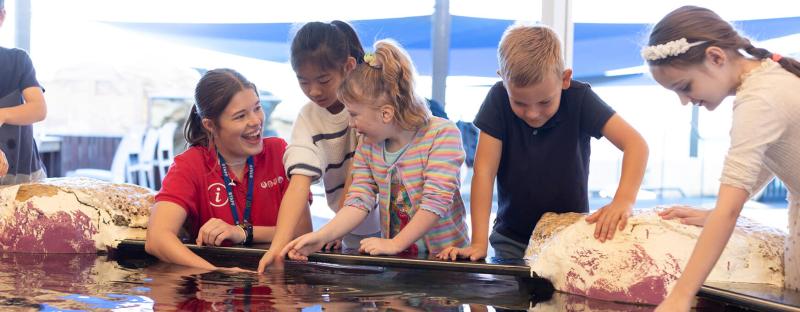
Embarking on educational excursions offers a unique opportunity to extend learning beyond the conventional classroom. These experiences allow students to interact with the real-world applications of their classroom knowledge, offering an immersive learning environment that can enhance understanding and retention. Whether it's a visit to a historical site, a scientific center, or a culturally significant landmark, each excursion provides invaluable educational benefits tailored to enhance the learner’s experience.

Introduction to Educational Excursions
Educational excursions are expertly crafted experiences that serve as an extension of the traditional classroom setting. These excursions are designed to tap into the innate curiosity of students, allowing them to explore new territories, cultures, and perspectives. The interactive nature of these trips enhances critical thinking and problem-solving skills, preparing students for real-world challenges.
Moreover, the dynamic setting of an educational excursion aids in breaking the monotony of the standard academic routine. It provides a refreshing break that can reinvigorate students’ passion for learning and offers teachers a platform to engage with their students in more spontaneous and meaningful ways.
The Benefits of Learning Outside the Classroom
Learning outside the classroom through educational excursions brings a multitude of benefits. It introduces students to new environments, which can galvanise their interest and inspire passion in a particular subject. For instance, seeing marine life in its natural habitat or interacting firsthand with advanced scientific instruments can ignite a lifelong interest in biology or physics.
Further, educational excursions foster social skills as students learn to communicate and collaborate with their peers and guides. This social interaction enhances team-building activities and develops leadership skills among students. It’s an invaluable part of educational growth that prepares them for future personal and professional interactions.
Exploring Science and Nature
Excursions related to science and nature offer students a chance to see theoretical knowledge applied in real-world settings. Places like the AQWA (The Aquarium of Western Australia) provide immersive experiences where students can learn about marine biology, conservation, and the ecology of the ocean. Visits to such locations enable students to interact with biodiversity, fostering a deeper understanding and respect for the environment.
In addition to visiting aquariums and zoos, nature-related excursions may include trips to botanical gardens or national parks where students can learn about plant life, geology, and the complexity of ecosystems. These experiences enrich the student's learning and understanding, making scientific concepts memorable and exciting.
Historical Sites and Cultural Immersion
Visiting historical sites and engaging in cultural immersion are pivotal in educational excursions. They provide a tangible connection to textbooks' events and narratives, helping students visualize and better understand the past. Whether it's exploring ancient ruins or participating in traditional cultural practices, these experiences deepen students' appreciation and understanding of diverse cultures and histories.
Such trips often encourage students to reflect on their place in the world and the impact of history on contemporary society. They can see firsthand how historical events shape modern political and social structures, which is essential for developing informed, conscientious future citizens.

Art and Creativity in Education
Art-related excursions, such as visits to galleries and theatres, play a crucial role in nurturing creativity and emotional expression. These outings expose students to diverse artistic expressions and historical art movements, facilitating a better appreciation of cultural heritage and contemporary issues expressed through art.
Interactive workshops or participatory theatre performances can significantly enhance students' understanding of various art forms, providing them with the tools to express their own thoughts and emotions creatively. This not only enriches their artistic skills but also helps in developing critical thinking and empathy.
Planning and Preparing for an Educational Trip
Effective planning and preparation are essential for the success of educational excursions. This involves clear communication with all stakeholders—students, parents, educational institutions, and excursion sites. Before the trip, teachers should provide background information and educational materials related to the excursion’s theme, ensuring that students are well-prepared and can fully engage during the trip.
Additionally, logistical considerations such as transportation, meals, and schedules need to be meticulously planned. Ensuring that all these elements are in place can help maximize the educational benefits of the excursion while maintaining safety and comfort for everyone involved.
Safety and Ethics on Excursions
Safety is paramount on any educational trip. Risk assessments must be conducted in advance, and proper safety protocols should be established to address any potential dangers. It is equally important to brief students on appropriate behaviours and to have medical information and first-aid equipment readily available.
Ethics also play a crucial role, especially in environmentally or culturally sensitive areas. Educators must instil a sense of responsibility and respect in students, ensuring that their interactions are sustainable and do not negatively impact the community or environment.
Conclusion
Educational excursions offer a vital, dynamic supplement to the traditional classroom education. They provide real-world experiences that are both engaging and educational, fostering a deeper understanding of academic subjects through interactive learning. By carefully planning and conducting these excursions, educators can significantly enhance the educational journey of their students, preparing them to be thoughtful, informed, and proactive citizens.
Post Your Ad Here
Comments