Advancements in First Aid and CPR Training: What You Need to Know
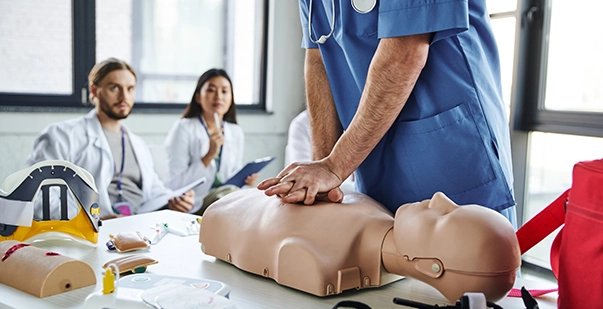
In the realm of emergency preparedness, first aid and CPR training have evolved significantly over the years. With the integration of technology and updated medical guidelines, individuals seeking to gain life-saving skills through a CPR and First Aid Course are now presented with more comprehensive and engaging learning experiences than ever before.
Simulation Technology for Hands-On Training
One of the key advancements in first aid and CPR training is the incorporation of simulation technology. Organizations like First Aid Pro have embraced this trend, utilizing high-fidelity manikins that provide real-time feedback during training sessions. These manikins are capable of simulating various medical conditions, allowing participants to practice their skills in a controlled environment. For instance, learners can practice chest compressions and receive immediate feedback on the depth and rate of their compressions, ensuring they are performing the techniques correctly. This hands-on experience is invaluable, as it prepares individuals for the unpredictability of real-life emergencies.
Virtual
Reality (VR) for Immersive Learning
First Aid
Training Adelaide CBD has begun to incorporate virtual reality
(VR) into their training programs. VR technology immerses participants in
realistic emergency scenarios, enabling them to practice their response in a
lifelike setting. This innovative approach not only enhances engagement but
also helps to reinforce critical thinking and decision-making skills under
pressure. Trainees can experience situations such as cardiac arrest or severe
allergic reactions, allowing them to apply their knowledge in a safe yet
realistic environment. This method is particularly beneficial for those who may
feel anxious about performing first aid in real-life situations, as it builds
confidence through repeated practice.
Incorporating Mental Health First Aid
Another noteworthy trend in First Aid and CPR training is the emphasis on mental health first aid. As awareness of mental health issues grows, training programs are beginning to incorporate components that address psychological emergencies alongside physical ones. First Aid Pro has recognized this need and has expanded its curriculum to include training on how to assist individuals experiencing mental health crises. Participants learn how to recognize signs of distress, provide initial support, and refer individuals to appropriate mental health resources. This holistic approach to first aid acknowledges that emergencies are not solely physical and equips individuals with the skills to support their peers in a broader context.
Flexible Learning Through Online Platforms
Furthermore, the accessibility of first
aid training courses has improved significantly due to the rise of online
learning platforms. While hands-on training remains crucial, first aid
providers now offer blended learning options that combine online coursework
with in-person skills assessments. This flexibility allows participants to
complete theoretical components at their own pace before attending a practical
session to demonstrate their skills. This model caters to busy professionals
and parents who may find it challenging to commit to traditional training
schedules. By breaking down barriers to access, more individuals can gain
essential life-saving skills through a CPR and First Aid Course.
Moreover, community engagement initiatives have become a focal point in
delivering industry-leading first aid standards. Registered training
organizations are increasingly partnering with local businesses, schools, and
community centers to offer free or low-cost first aid workshops. These
initiatives aim to raise awareness about the importance of first aid training
and to encourage community members to become certified. By fostering a culture
of preparedness, these programs contribute to building resilient communities
where individuals are equipped to support one another in times of crisis.
Enhanced Instructor Roles
The role of instructors in First Aid and CPR training has also transformed. Today’s trainers are not only experts in first aid techniques but also skilled educators who understand the diverse learning styles of their participants. First Aid Pro Australia emphasizes the importance of creating an inclusive learning environment where all individuals feel comfortable asking questions and participating actively. This approach enhances the overall learning experience and ensures that participants leave the training with a solid understanding of the material.
Integration of Latest Research
Lastly, the ongoing research in emergency response and first aid practices continues to shape training programs. As new studies emerge, organizations are quick to adapt their curricula to reflect the latest evidence-based practices. This commitment to continuous improvement ensures that participants receive the most current and effective training available. For instance, recent studies have highlighted the importance of early defibrillation in cardiac arrest cases, leading to an increased focus on teaching participants how to use automated external defibrillators (AEDs) effectively.
In conclusion, the landscape of First Aid and CPR training is evolving rapidly, driven by advancements in technology, a greater emphasis on mental health, and a commitment to community engagement. At the forefront of these developments are First Aid Pro in Adelaide and other locations across Australia, which guarantees that people have the abilities necessary to react appropriately in emergency situations. Embracing these innovations will ultimately lead to a more knowledgeable and responsive society, ready to assist in times of need.
Post Your Ad Here
Comments