The Ultimate Guide to Website Design for Startups
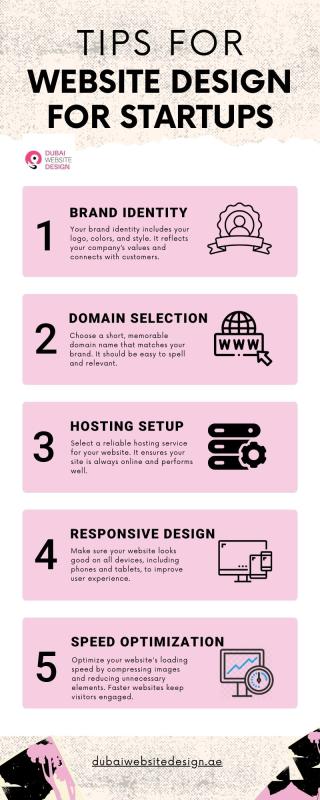
Creating a website is an essential step for any startup aiming to establish a strong online presence. A well-designed website attracts customers, builds trust, and sets the foundation for business growth. This guide breaks down the key steps for effective website design for startups in simple and actionable terms.
1. Understand Your Brand Identity
Your brand identity is what makes your business unique. It includes your logo, colors, fonts, and overall style. Before starting your website design for startups, ask yourself:
- What does your brand stand for?
- What tone of voice will connect with your audience?
- What emotions do you want your customers to feel?
For example, if you’re targeting a young audience, your website might include bold colors and casual language. A clear brand identity helps ensure your website feels cohesive and professional.
2. Ensure Consistency Across Your Website
Consistency builds trust and makes your website memorable. Use the same color scheme, typography, and tone of voice across all pages. Whether it’s the homepage, blog, or contact page, every part of your website design for startups should align with your brand.
In cities like Dubai, where competition is high, maintaining a consistent design can set your business apart. Many companies providing website design in Dubai emphasize this as a key factor for success.
3. Choose a Catchy and Relevant Domain Name
Your domain name is your website’s address, so it needs to be easy to remember.
- Keep it short and simple.
- Avoid using numbers or special characters.
- Include keywords if possible.
For instance, if you’re a bakery startup, a domain like “SweetTreatsDubai.com” is better than “Baking234.net.” Picking the right domain name plays a vital role in making your website design for startups stand out.
4. Select a Reliable Hosting Provider
Web hosting is like renting space for your website on the internet. A good hosting service ensures your website loads quickly and is always accessible.
- Choose a hosting plan that fits your needs.
- Look for hosting services with high uptime guarantees.
- Check customer reviews for reliability.
For startups in Dubai, many providers offer tailored services for website design in Dubai, making it easier to get started with hosting and design combined.
5. Focus on User-Friendly Design
Your website should be designed for your visitors, not just for looks. A user-centric design ensures that people can easily navigate and find what they’re looking for.
- Use a clear menu.
- Organize your content into sections.
- Place important information where users can see it immediately.
For example, a “Contact Us” button should be easy to locate. By prioritizing user experience, your website design for startups will keep visitors engaged and encourage them to explore your site further.
6. Make Sure Your Website Works on All Devices
More than half of internet users browse on mobile devices. If your website isn’t mobile-friendly, you could lose potential customers.
- Test your website on different screen sizes.
- Use responsive design techniques so your site adjusts automatically.
- Avoid pop-ups or elements that are hard to click on smaller screens.
In regions like Dubai, where tech-savvy audiences are common, ensuring responsiveness is a must. Many firms specializing in website design in Dubai prioritize mobile optimization to meet this demand.
7. Optimize Your Website’s Speed
Fast-loading websites keep visitors happy and reduce bounce rates. If your site takes too long to load, users might leave before even seeing your content.
- Compress images to reduce file sizes.
- Use caching to load pages faster.
- Choose a lightweight theme or design.
Speed is particularly important for startups that want to rank higher in search results, as search engines prioritize fast websites. For website design for startups, speed optimization should never be overlooked.
8. Write Clear and Simple Messages
Your website’s content should be easy to read and understand. Visitors want quick answers, not long paragraphs.
- Use short sentences and bullet points.
- Highlight key information with headings or bold text.
- Avoid jargon and use language your audience can relate to.
For example, instead of saying, “We are a premier supplier of top-notch solutions,” simply say, “We provide quality solutions for your needs.” Clarity is key in website design for startups.
9. Add Essential Pages for Your Website
Every startup website needs a few basic pages to serve its audience:
- Homepage: Introduce your business.
- About Us: Share your story and values.
- Services/Products: Explain what you offer.
- Contact Us: Make it easy for visitors to reach you.
These pages form the foundation of your website design for startups and help build trust with potential customers.
10. Include Strong Calls-to-Action (CTAs)
A call-to-action tells visitors what you want them to do next. Examples of effective CTAs include:
- “Sign up for our newsletter.”
- “Contact us for a free consultation.”
- “Shop now.”
Place CTAs strategically on your website, such as at the end of a blog post or on your homepage. This is a crucial part of website design for startups to guide visitors toward taking action.
11. Incorporate Social Proof and Testimonials
Showcasing customer reviews or success stories builds trust. If you’re a new startup, consider including:
- Reviews from early customers.
- Certifications or awards.
- Partnerships with trusted brands.
In Dubai, where competition is fierce, many startups leverage testimonials as part of their website design in Dubai to gain credibility.
12. Use High-Quality Images and Videos
Visual content makes your website more engaging. Invest in professional photos or videos that showcase your products, team, or services.
- Avoid stock photos that look generic.
- Use images that reflect your brand identity.
- Optimize media files to avoid slowing down your site.
For startups aiming to attract a local audience, showcasing images relevant to Dubai can enhance your website design in Dubai and create a stronger connection with visitors.
13. Add SEO to Your Website Design
Search engine optimization (SEO) helps your website rank higher on Google and attract more visitors.
- Use relevant keywords in your titles, descriptions, and content.
- Add alt text to images for better search visibility.
- Write meta descriptions for each page.
For startups targeting local audiences, incorporating location-based keywords like “website design in Dubai” can improve visibility.
14. Keep Updating Your Website Regularly
A stale website can make your business look outdated. Update your content, images, and blog posts regularly.
- Share news about your startup.
- Announce new products or services.
- Refresh your design as trends evolve.
Ongoing updates show visitors that your business is active and growing, which is a key factor in effective website design for startups.
Conclusion
A well-designed website is a powerful tool for any startup. By focusing on user-friendly design, speed, responsiveness, and clear messaging, you can create a website that leaves a lasting impression. Whether you’re a local business or targeting a global audience, following these steps will ensure your website design for startups meets your business goals.
For startups in Dubai, working with experts in website design in Dubai can further streamline the process and help you create a site that stands out in a competitive market. Start your website journey today and watch your startup thrive online!

Post Your Ad Here
Comments