The Pros and Cons of In-House vs. Third-Party Car Hauling Dispatch Services
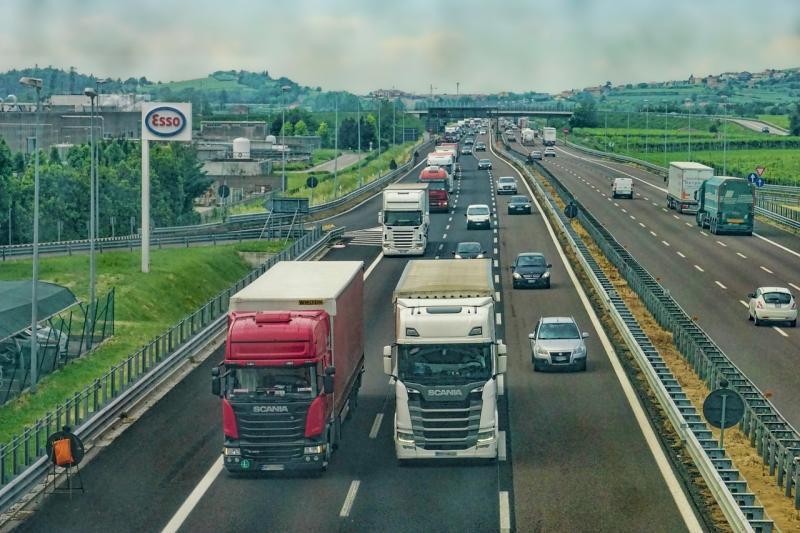
When it comes to car hauling, efficient dispatch services are the backbone of any successful operation. Whether you're a small company looking to scale up or a larger organization seeking to streamline logistics, choosing between in-house and third-party dispatch services is a critical decision.
Both options come with their own sets of advantages and challenges, which can significantly impact your operational efficiency, customer satisfaction, and bottom line.
In this article, we'll take an in-depth look at the pros and cons of both in-house and third-party dispatch services, guiding you through the decision-making process so you can determine which is the right fit for your business.
Understanding the Role of Car Hauling Dispatch Services
Before we dive into the pros and cons of each option, it's essential to understand the role that dispatch services play in the car hauling industry.
Dispatchers are responsible for managing the logistics of transporting vehicles from point A to point B. Their tasks typically include:
- Assigning loads to drivers
- Managing routes and schedules
- Communicating with customers
- Handling delays or issues during transportation
- Coordinating with carriers and brokers
With this in mind, the efficiency and reliability of your transport dispatch services can make or break your car hauling business.
In-House Car Hauling Dispatch Services
An in-house dispatch team means that all dispatching activities are handled internally by your own employees.
This can be beneficial for companies looking to maintain tight control over their operations, but it also comes with significant costs and responsibilities.
Pros of In-House Dispatch Services
Full Control Over Operations
- One of the main advantages of keeping dispatch services in-house is having full control over every aspect of the operation. You can monitor and adjust routes, schedules, and customer interactions in real-time, tailoring everything to your business's unique needs.
- You also have direct communication with drivers, which can be useful for solving problems quickly and keeping your operations running smoothly.
Tailored Solutions
- When you manage dispatch internally, you can customize systems and processes to suit your specific needs. Whether it’s implementing specialized software or adjusting scheduling protocols, an in-house team offers the flexibility to build a solution that's uniquely yours.
Stronger Communication
- Since your dispatchers are in-house, they can have more direct and immediate communication with other departments and drivers. This can lead to faster decision-making, which is especially important during unexpected situations, such as delays or route changes.
Brand Loyalty and Consistency
- An in-house team is often more invested in the success of the company, resulting in better customer service and consistency. They are likely to have a deeper understanding of your company’s values, culture, and processes, allowing them to deliver a more cohesive and branded experience for your customers.
Cons of In-House Dispatch Services
High Overhead Costs
- Building and maintaining an in-house dispatch team can be expensive. You will need to account for salaries, benefits, and training costs for employees, not to mention the need for office space and equipment. If you're a smaller operation, these costs can be prohibitive.
Limited Scalability
- When your business grows or experiences fluctuations in demand, an in-house team may struggle to keep up. Scaling an in-house dispatch operation often means hiring more staff and investing in additional resources, which can be time-consuming and costly.
Technological Investments
- To run an efficient in-house dispatch operation, you’ll need to invest in specialized dispatch software and GPS tracking systems. These tools can be expensive to purchase and maintain, and they require continuous updates to stay competitive in the industry.
Time-Consuming Management
- Managing a dispatch team can be time-consuming and labor-intensive. From hiring and training to overseeing day-to-day operations, you'll need to dedicate significant time and resources to ensure everything runs smoothly.
Third-Party Car Hauling Dispatch Services
Alternatively, you can choose to outsource dispatching to a third-party service. These companies specialize in managing logistics for multiple car hauling companies, using their expertise and technology to offer efficient solutions.
This option is often more appealing for companies looking to minimize internal management and focus on core operations.
Pros of Third-Party Dispatch Services
Lower Operating Costs
- One of the biggest advantages of outsourcing your dispatch services is the potential for cost savings. With a third-party service, you don’t have to worry about salaries, benefits, or office space for an in-house team. The service provider takes care of all these aspects, usually at a lower overall cost.
Access to Expertise and Technology
- Third-party dispatch services have specialized knowledge and access to cutting-edge technology, which can greatly enhance your operations. They often use advanced systems for routing, load management, and real-time tracking, helping to ensure efficient and on-time deliveries.
Scalability
- If your business experiences seasonal spikes or rapid growth, third-party dispatch services are more capable of handling these changes. They have the resources and infrastructure to scale up quickly, meaning you won’t need to worry about hiring or training new staff during busy periods.
24/7 Operations
- Many third-party dispatch companies operate around the clock, which can be a significant advantage for businesses with nationwide operations or those dealing with tight delivery deadlines. An in-house team may not be able to provide the same level of continuous coverage without substantial investment.
Cons of Third-Party Dispatch Services
Less Control Over Operations
- When you outsource dispatch, you relinquish a certain amount of control over how things are managed. You may not have as much say in driver assignments, route optimizations, or customer interactions, which can be frustrating for businesses that prioritize operational control.
Potential for Communication Gaps
- Outsourcing can create communication challenges, particularly if the third-party provider doesn't have direct access to your drivers or on-ground operations. This can lead to delays in addressing problems, such as route changes or breakdowns, as information has to pass through more channels.
Lack of Personalization
- Third-party providers often serve multiple clients, meaning they may not be able to fully tailor their services to your specific needs. If your business requires highly customized solutions, you might find that a third-party service lacks the flexibility to meet your unique demands.
Dependence on External Providers
- Relying on a third-party service puts you at the mercy of their performance. If they experience downtime, delays, or customer service issues, it can negatively affect your business. Additionally, a poor-performing dispatch provider could result in dissatisfied customers and lost revenue.
Which Option Is Right for Your Business?
Ultimately, the choice between in-house and third-party dispatch services comes down to the specific needs and resources of your business.
Here are some questions to consider when making your decision:
What’s your budget?
- If you have the financial resources to invest in an in-house team and technology, you may benefit from the control and customization that this option provides. However, if you’re looking to save on overhead costs, a third-party service could be a more cost-effective solution.
How important is control to you?
- If maintaining full control over dispatch operations is a top priority, an in-house team may be the better option. On the other hand, if you’re comfortable relinquishing some control in exchange for reduced management responsibilities, outsourcing could be the way to go.
How fast do you need to scale?
- Companies experiencing rapid growth or seasonal demand spikes may find that a third-party service is better equipped to handle these fluctuations without the need for significant internal adjustments.
What level of customer service do you need?
- An in-house team can provide more consistent, personalized customer service, as they will be deeply familiar with your brand. Third-party providers, however, may offer broader customer support but with less brand-specific focus.
Conclusion
Both in-house and third-party dispatch services offer unique advantages and challenges, and there’s no one-size-fits-all solution.
By carefully evaluating your business’s budget, growth potential, and operational needs, you can make an informed decision that supports your goals.
Whether you choose to keep dispatching in-house or outsource it to a third-party provider, the key is to ensure that your dispatch services are efficient, reliable, and scalable to meet your business's demands.
Taking the time to make the right decision will pay off in smoother operations, happier customers, and a healthier bottom line.
Post Your Ad Here
Comments