Erase and Enhance: AI's Dual Role in Photo Editing
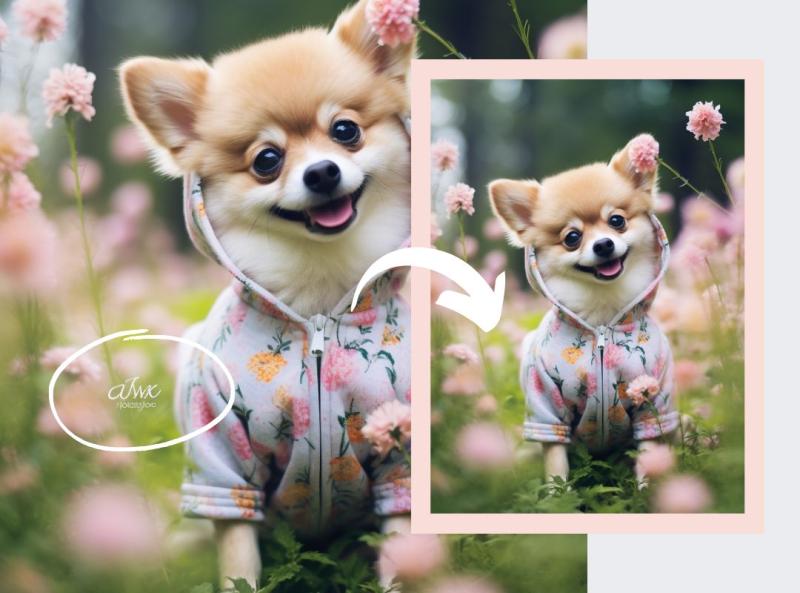
The realm of photography has experienced a seismic shift with the advent of artificial intelligence (AI), transforming not just how photos are captured but also how they are edited. Gone are the days when removing an unwanted bystander or an unsightly object from a cherished photograph required sophisticated editing skills and expensive software. Today, AI technologies have democratized these capabilities, ensuring professional-grade results are accessible to everyone.
One of the most groundbreaking developments in photo editing is the ability AI has to seamlessly remove objects from photos. This feature uses sophisticated algorithms that analyze the elements surrounding the unwanted object, fill in the gap naturally once the object is removed, and maintain the integrity of the image’s background. Whether it's a stray piece of litter ruining a perfect nature shot or an inconvenient passerby photobombing a family picture, AI makes it possible to rectify these issues with minimal effort and astounding accuracy.
The process does not require user intervention beyond a few clicks. Users simply select the object they wish to vanish and let AI work its magic. The technology behind this involves complex content-aware fill procedures where AI predicts and replicates the background patterns, textures, and colors that would have been present had the unwanted item not been there to begin with. As such, AI in photo editing not only eliminates elements but reconstructs integral portions of images to craft a cohesive visual narrative.
Moreover, while AI excels at removals, its ability to enhance photos is equally remarkable. AI-driven tools can automatically adjust lighting, enhance colors, and even suggest crop options that might better frame the subject of the photograph. These enhancements are based on vast databases of image information which allow AI to make professional recommendations and adjustments previously only achievable by seasoned photographers and editors.
However, the use of AI in photo editing isn't without challenges. Ethical considerations must be made especially in terms of authenticity and artistic integrity. While it’s beneficial for recreational photography, in journalistic or historical contexts, the authenticity of an unaltered image is crucial. Here, AI's role should be carefully balanced between maintaining factual integrity and improving visual appeal.
As we continue to integrate AI more deeply into everyday technology, its role in creative fields like photography will likely expand. This could lead to further innovations that could revolutionize not just photo editing but also how we perceive reality in digital mediums.
The promise of AI in shaping the future of photo editing is significant. From erasing unwanted elements to enhancing core aspects of imagery, these tools equip both professionals and amateurs with unprecedented control over their photographic content. As AI continues to evolve, so too will the possibilities for creativity, making the art of visual storytelling more inclusive and impressive than ever before. Moving forward, the dual role of AI in both removing distractions and amplifying beauty in digital photographs will undoubtedly redefine our visual experiences - erasing limitations and enhancing perspectives.
Post Your Ad Here
Comments