How Online Color Prediction Games Are Incorporating Social Media to Boost Engagement
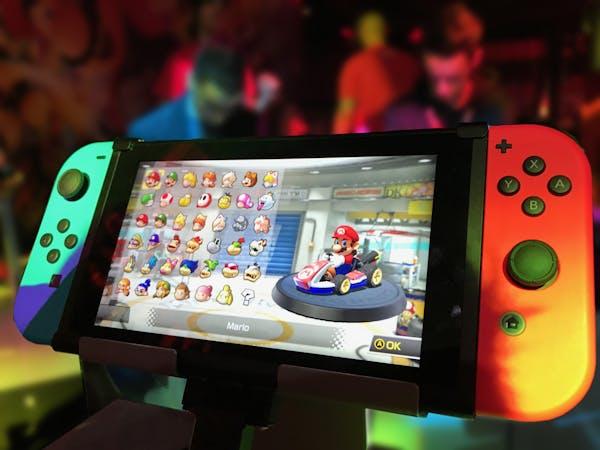
In the fast-paced world of online
gaming, color prediction games are emerging as a fascinating niche that
combines strategy, luck, and visual appeal. These games, where players predict
and bet on the outcome of colors in various scenarios, have been gaining
traction. But what sets successful games apart in this crowded market? One of
the key strategies is their innovative use of social media to enhance player
engagement and build vibrant communities.
The Rise of Color Prediction Games
Color prediction games offer a unique twist on traditional
betting and gaming mechanics. Players make predictions about which colors will
appear in a sequence, and their success depends on their ability to anticipate
patterns or outcomes. The simplicity of the concept, combined with the thrill
of prediction, has captivated a growing audience. However, engaging players
beyond the initial thrill requires more than just a good game design—it demands
a strategic approach to community building and player interaction.
Social Media: A Game-Changer for Engagement
Social media platforms have become indispensable tools for
game developers looking to boost engagement and foster a sense of community.
For color prediction games, these platforms offer a multi-faceted approach to
player interaction:
·
Real-Time Updates and Alerts: Social media
channels serve as instant communication hubs. Game developers use them to share
real-time updates about game features, new color prediction challenges, and
special events. These updates keep players informed and excited about upcoming
opportunities to play.
·
Community Building: Platforms like Facebook,
Twitter, and Instagram are perfect for building and nurturing communities
around color prediction games. Developers create groups, pages, and profiles
where players can share tips, discuss strategies, and celebrate wins. This
sense of belonging enhances player loyalty and encourages ongoing
participation.
·
User-Generated Content: Encouraging players to
create and share their own content, such as game-related memes, videos, or
predictions, can significantly increase engagement. Developers often host
contests or challenges where players submit their own content for a chance to
win prizes or be featured on official game pages.
·
Influencer Partnerships: Collaborating with
social media influencers who have a strong following in the gaming community
can amplify the game’s reach. Influencers can play the game live, review it,
and share their experiences with their audience, creating buzz and attracting
new players.
·
Interactive Features: Many games are integrating
interactive features directly into social media platforms. For example, players
might be able to share their game results, achievements, or predictions on
their profiles or in-game leaderboards. This not only showcases their skills
but also encourages friends and followers to join in on the fun.
Case Studies: Successful Social Media Integration
Several color prediction games have effectively harnessed
the power of social media to boost their engagement:
·
ColorRush: This popular game uses Instagram
stories to share player highlights and create interactive polls where followers
can vote on upcoming game features. The game's Instagram page has become a hub
for player interaction and excitement.
·
HueMaster: By partnering with prominent YouTube
gamers, HueMaster has gained significant visibility. These influencers
regularly showcase gameplay and host live-streamed prediction challenges,
driving new players to the game.
·
PredictaColor: This game incorporates Facebook
groups where players discuss strategies and share predictions. The group also
features regular updates and exclusive content, keeping the community engaged
and informed.
Looking Ahead: The Future of Social Media in Gaming
As the gaming industry continues to evolve, the integration
of social media in color prediction games is likely to become even more
sophisticated. Future trends might include more immersive social features, such
as augmented reality (AR) experiences that blend the virtual and real worlds,
and enhanced analytics to better understand player behavior and preferences.
Conclusion:
In conclusion, the marriage of color prediction games and
social media is proving to be a powerful combination. By leveraging these
platforms like 66lottery, developers can
create dynamic, engaging experiences that keep players coming back for more. As
the industry grows, the innovative use of social media will undoubtedly
continue to play a crucial role in shaping the future of online gaming.
Post Your Ad Here
Comments