What Every New Hiker Should Know Before Starting
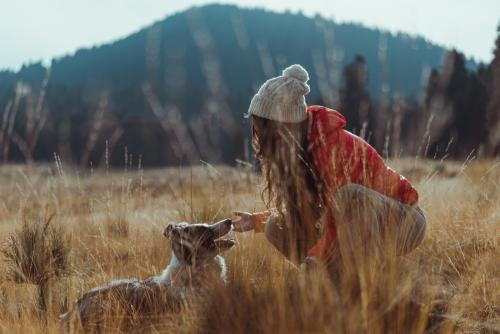
The image source is Pexels.
The outdoors can be fun, challenging, and exciting. Hiking is an excellent way to remain fit, appreciate nature and an excellent way to get inspiration to face all of life's challenges. Your desire for hiking may be set on a myriad of reasons, and whatever your reasons are, you are on the right track. As a novice hiker, you can amass all requisite knowledge and skill in a short time frame. With the basics underhand, you will be ready to start enjoying your new hobby.
Taking walks in nature on foot for recreation is the description for hiking in the US and Canada. You may decide to take your hike for a mile or more on a trail, go out for a full day of excursion, or try out backpacking (a trip overnight with a portable tent). Hiking allows you to build stamina, helps maintain your mental health, and may improve your quality of sleep and reduce anxiety. So now that you are well in tune with the benefits of hiking, what do you need to start?
Start Small
All good things take time and practice. As a beginner, while it is okay to want to conquer the highest point nearest to you, it is ill-advised to jump right in. Your body needs to build stamina and get used to the terrain slowly. While in California, you may consider Yosemite. Yosemite has everything for everyone, and as a beginner, you take a casual weekend and challenge yourself.
Half Dome is a site to die for, and while at Yosemite, you may want to see it for yourself. Seeing the Half Dome requires a permit, and getting a half dome hike permit is not easy if you don’t know the right information. You may take some steps to increase your chances of getting a permit, but even without it, Yosemite is an excellent location to start.
Your Safety is Paramount
Hiking is not considered a high-risk activity. However, you are better safe than sorry. Recreational activities such as hiking have risks, including sustaining injuries or getting lost. You will only use a band aid to cover blisters in an ideal case, but a proper first-aid kit may be necessary if you sustain a severe injury.
Take Note of Scenery
While planning a hike, it would be best to take note of the local fauna and flora. The local wildlife, including moose, bears, and mountain lions, are not companions you want to encounter on your terrain. If you opt for well-traveled terrain, there will be little chance of encountering dangerous wildlife, but you should be well prepared if you decide to conquer the wild.
Weather Conditions
You ought to have an idea of the expected weather conditions of your area of interest. Knowledge of the weather allows you to pack appropriate clothing and material. For example, warm, humid conditions may necessitate light clothing and a lot of fluids. On the other hand, cool or cold weather may necessitate warmer clothing that can be shed (in layers) as you warm up.
Share Your Location
As a safety precaution, especially if you are hiking alone, always inform a friend of your whereabouts. You may also share your location with a trusted partner so that someone can raise the alarm if something goes wrong.
Gearing Up
The correct hiking gear helps you prevent injury, minimize soreness and improve your overall experience. You do not need a lot of material while starting, and you should get all the requisite information before going all out on expensive material. For example, before acquiring an expensive pair of hiking boots with ankle support and sturdy treads, you are better off starting with trainers for less challenging terrain.
Pick the Right Clothes
To prevent blisters, you may opt for a soft pair of woolen or synthetic socks. Liner socks may also be necessary to prevent blisters and other soft tissue injuries. When buying clothes, you ought to be guided by the climatic predictions of your terrain of interest. When hiking in a warm environment, your workout clothes may be sufficient. As a general rule, stay clear of cotton fabric that may be inappropriate to wick away your sweat.
Dress in Layers
You may also want to dress in layers, starting with a light base layer and packing a light waterproof jacket that will protect you from harsh weather elements. You may opt for a backpack for day hikes while starting but may buy a daypack as you progress. While hiking, bug spray, sunscreen, and slow-energy-release snacks like energy bars and nuts are vital. You should also always carry enough fluids and navigation tools.
Conclusion
Hiking is fun and entertaining. While hiking, remember to be considerate of others and share the terrain with others. It is best not to push your body beyond its limits to avoid severe damage. Finally, while hiking, try to enjoy the camaraderie of conquering the terrain together.
Post Your Ad Here
Comments