A Brief Discussion on Three Types of Fibre-reinforced Plastic
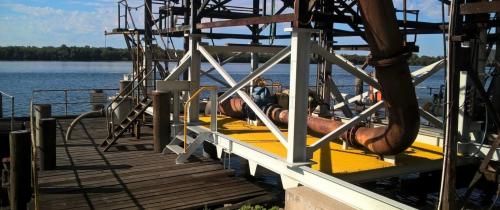 Fibre-reinforced plastic (FRP) is an extremely popular composite material used increasingly to construct accessories for the industrial, residential, and commercial sectors. Owing to a wide range of beneficial characteristics such as light weight, high tensile strength, resistance against heat, fire, caustic chemicals, moisture, and insect infestation, non-conductivity, sturdiness, and affordability, it has quite successfully become a favourite of the manufacturers. In the following write-up, let us try to learn about the different types of FRP currently available in the market. Readers are requested to buy some time and take a close look at the below-mentioned pointers.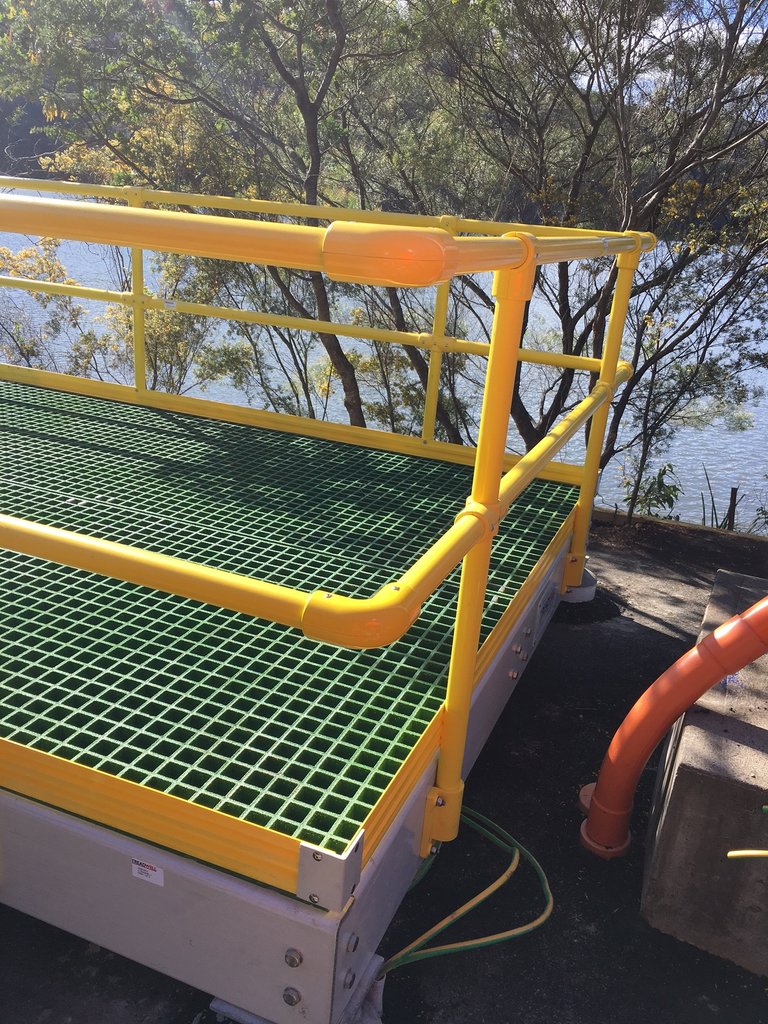
1. Glass fibre-reinforced plastic, also known as fibreglass, is fabricated by amalgamating folic acid, limestone, silica sand, and other ingredients. The mixture is allowed to melt at a temperature of 1260°C and then passed through the small holes present in a platinum plate. When the glass strands cool down, they are pulled towards the fibres, so, that bidirectional strength could be effectually enhanced. FRP platform, caged ladder, beam, etc. often comprise glass fibres because they can withstand heavy loads, excessive pressure, and environmental inconsistencies without any sort of hassle.
2. Carbon fibre-reinforced plastic has also managed to acquire much popularity probably because of being incredibly elastic with an elongation of 0.3% to 2.5%. They also do not absorb water and remain unaffected even when exposed to almost all chemical solutions. Now isn’t that simply amazing? Other advantages of carbon fibres that are worth mentioning include it does not corrode, can endure fatigue, is electrically conductive, and pave way for galvanic erosion on coming to direct contact with steel.
3. Although not as well-recognised as glass or carbon, aramid fibre-reinforced plastic is also considered to be immensely useful. The short form of aromatic polyamide, aramid fibres have great fracture energy because of which they are used to make bullet-proof garments and durable helmets. They do have issues in terms of stress corrosion and relaxation as well as stand to be highly sensitive to ultraviolet radiation, dampness, and escalated temperature.
While the three specified above are noted the most for they have found applications in many important sectors such as railway, architectural, public recreational infrastructure, healthcare, sewage water treatment plants, electrical station, petrochemicals, marine, and food & beverage, other fibres used sometimes to make fibre-reinforced plastic are paper, asbestos, wood, basalt, microspheres, inorganic particulates, etc.
Now that modern-day consumers are aware of the varied kinds of FRP, they can choose any one as per their convenience and budget.
To purchase products and structures such as FRP tank covers, handrails, stairnosing, angles, sections, panels, boardwalks, gratings, etc., it is immensely important to rely upon a trusted provider, who assures quality along with affordability.
Advertise on APSense
This advertising space is available.
Post Your Ad Here
Post Your Ad Here
Comments